Descripción del Producto
Descripción del Producto
KM KB Series helical gear units has more than 4 types, power 0.12-4kw, ratio 7.73-302.5, torque max 100-500NM, Modulaw and multistructure can meet the demands of various conditions.
(1) Ground-hardened helical gears.
(2) Modularity, can be combined in many forms
(3) Made of high-quality aluminum alloy, light in weight and nonrusting
(4)Large in output torque, high efficiencym energy saving and environmental protection
(5) The mounting dimension of SKM series are compatible with SMRV series worm gear unit
(A part of SMRV050 dimensions are different from SKM28)
(6) The mounting dimension of SKB series are compatible with W series worm gear unit.
Features&Specification
KM28B~KM58B:2-Stage hypoid helical gear units. Speed ratio range 7.48~60.5
KM28C~KM58C:3-Stage hypoid helical gear units. Speed ratio range:4918~302.5
One of the features of the hypoid gear speed reducer is that the shafts intersect at 2 mutually parallel
planes,providing greater torque in the same construction space than an ordinary helical gear reducer. And its strength is much higher than that of worm gear reducer.
1.Omnidirectional mounting
2.Housing made of high-quality aluminum alloydie-casting,light weight good rust resistance
3.Low back clearance
4.Smooth transmission and low noise
5.Customized products available
160 Nm | |||||||||
KM28..Possiblegeometricalcombinations(n1=1400r/min) | |||||||||
Gear units | Nomial | Actual | n2 | M2max [Nm] | fr2 [N] | 63B5 | 71B5 | 80B5 | 90B5 |
71B14 | 80B14 | 90B14 | |||||||
3 Stage | |||||||||
KM28C | 300 | 294.05 | 4.8 | 130 | 4100 |
|
|
| |
KM28C | 250 | 24429 | 58 | 130 | 4100 |
|
|
| |
KM28C | 200 | 200.44 | 7 | 130 | 4100 |
|
|
| |
KM28C | 150 | 14667 | 96 | 160 | 4000 | ||||
KM28C | 125 | 120 34 | 12 | 160 | 3770 |
|
|
| |
KM28C | JOO | 99.41 | 14 | 160 | 3560 |
|
|
| |
KM28C | 90 | 91 48 | 155 | 160 | 3330 |
|
|
| |
KM28C | 75 | 74.62 | 19 | 160 | 3220 |
|
|
| |
Etapa 2 | |||||||||
KM28B | 60 | 58.8 I | 24 | 130 | 2960 |
|
|
| |
KM28B | 50 | 48.86 | 29 | 130 | 2790 |
|
|
| |
KM28B | 40 | 40.09 | 35 | 130 | 2610 |
|
|
| |
KM28B | 30 | 30.54 | 48 | 160 | 2350 |
|
|
| |
KM28B | 25 | 24.86 | 59 | 160 | 2200 |
|
|
| |
KM28B | 20 | 19.88 | 70 | 160 | 2080 |
|
|
| |
KM28B | 15 | 14.92 | 94 | 160 | 1880 |
|
|
| |
KM28B | 12. 5 | 12.47 | 113 | 160 | 1770 | ||||
KM28B | 10 | 10.3 | 134 | 160 | 1670 |
|
|
| |
KM28B | 7. 5 | 7.73 | 182 | 160 | 1510 |
|
|
| |
200Nm | |||||||||
KM38..Possible geometrical combinations (n1= 1400r/min) | |||||||||
Gear units | Nomial | Actual | n2 | M2max [Nm] | fr2 [N] | 63B5 | 71B5 | 80B5 | 90B5 |
71B14 | 80B14 | 90B14 | |||||||
3Stage | |||||||||
KM38C | 300 | 302.5 | 4.7 | 160 | 4800 |
|
|
| |
KM38C | 250 | 243 57 | 58 | 160 | 4800 |
|
|
| |
KM38C | 200 | 19643 | 72 | 160 | 4800 |
|
|
| |
KM38C | 150 | 151 56 | 93 | 180 | 4650 | ||||
KM38C | 125 | 122 22 | 12 | 180 | 4330 |
|
|
| |
KM38C | 100 | 101.27 | 14 | 180 | 4070 |
|
|
| |
KM38C | 90 | 91 25 | 16 | 180 | 3920 |
|
|
| |
KM38C | 75 | 7333 | 20 | 180 | 3650 |
|
|
| |
2Stage | |||||||||
KM38B | 60 | 60.5 | 24 | 160 | 3430 |
|
|
| |
KM388 | 50 | 48.71 | 29 | 160 | 3190 |
|
|
| |
KM38B | 40 | 39.29 | 36 | 160 | 2970 |
|
|
| |
KM38B | 30 | 30.31 | 47 | 180 | 2720 |
|
|
| |
KM38B | 25 | 24.44 | 58 | 180 | 2530 |
|
|
| |
KM38B | 20 | 20.25 | 70 | 180 | 2380 |
|
|
| |
KM38B | 15 | 15.71 | 96 | 180 | 2130 |
|
|
| |
KM38B | 12. 5 | 12.67 | Ill | 180 | 2030 | ||||
KM38B | IO | 10.5 | 134 | 180 | 1910 |
|
|
| |
KM38B | 7. 5 | 7.6 | 185 | 180 | 1710 |
|
|
| |
350 Nm | |||||||||
KM48 . . Possible geometrical combinations ( m =1400r/ min ) | |||||||||
Gear units | Nomial | Actual | n2 | M2max [Nm] | fr2 [N] | 63B5 | 71B5 | 80B5 | 90B5 |
71B14 | 80B14 | 90B14 | |||||||
3/ Stage | |||||||||
KM48C | 300 | 297.21 | 47 | 350 | 6500 |
|
|
|
|
KM48C | 250 | 240.89 | 5 8 | 350 | 6500 |
|
|
|
|
KM48C | 200 | 200.66 | 7 | 300 | 6500 |
|
|
|
|
KM48C | 150 | 151.2 | 93 | 350 | 6360 |
|
|
|
|
KM48C | 125 | 121.02 | 11.6 | 300 | 5980 |
|
|
|
|
KM48C | 100 | 100.81 | 14 | 240 | 5520 |
|
|
|
|
KM48C | 75 | 79.41 | 17.7 | 200 | 5040 |
|
|
|
|
2/Stage | |||||||||
KM48B | 60 | 59 44 | 27.8 | 350 | 4660 |
|
|
|
|
KM48B | 50 | 48 18 | 29 | 350 | 4340 |
|
|
|
|
KM48B | 40 | 40. 13 | 34 .9 | 300 | 4080 |
|
|
|
|
KM48B | 30 | 29 86 | 46.9 | 350 | 3720 |
|
|
|
|
KM48B | 25 | 24.2 | 57.9 | 300 | 3500 |
|
|
|
|
KM48B | 20 | 20 16 | 69 .4 | 240 | 3230 |
|
|
|
|
KM48B | 15 | 15.88 | 88.2 | 200 | 2950 |
|
|
|
|
KM48B | 12. 5 | 12.49 | 112 | 300 | 2770 |
|
|
|
|
KM48B | 10 | 9 84 | 142.3 | 240 | 2550 |
|
|
|
|
KM48B | 7. 5 | 7.48 | 187.2 | 200 | 2330 |
|
|
|
|
500 Nm | |||||||||
KM58..Possible geometrical combinations ( ni= 1400r/min) | |||||||||
Gear units | Nomial | Actual | n2 | M2max [Nm] | fr2 [N] | 63B5 | 71B5 | 80B5 | 90B5 |
71B14 | 80B14 | 90B14 | |||||||
3/ Stage | |||||||||
KM58C | 300 | 295.18 | 47 | 500 | 8300 |
|
|
|
|
KM58C | 250 | 240.89 | 5.8 | 500 | 8300 |
|
|
|
|
KM58C | 200 | 200.66 | 70 | 480 | 8300 |
|
|
|
|
KM58C | 150 | 151.2 | 93 | 500 | 8050 |
|
|
|
|
KM58C | 125 | 125.95 | I I. I | 480 | 7580 |
|
|
|
|
KM58C | 100 | 99.22 | 14.1 | 3 80 | 7000 |
|
|
|
|
KM58C | 75 | 75.45 | 18.5 | 300 | 6390 |
|
|
|
|
2/Stage | |||||||||
KM 58B | 60 | 59 04 | 23.7 | 500 | 5890 |
|
|
|
|
KM58B | 50 | 48.18 | 29 | 500 | 5500 |
|
|
|
|
KMS8B | 40 | 40 . 13 | 34 . 9 | 480 | 5170 |
|
|
|
|
KM58B | 30 | 30 24 | 46.3 | 500 | 4710 |
|
|
|
|
KM58B | 25 | 25. 19 | 55.6 | 480 | 4430 |
|
|
|
|
KM58B | 20 | 19 84 | 7 0.56 | 380 | 4090 |
|
|
|
|
KM58B | 15 | 14.99 | 93.3 | 300 | 3730 |
|
|
|
|
KM58B | 12. 5 | 12 .49 | 112 | 480 | 3510 |
|
|
|
|
KM58B | 10 | 9.84 | 142.3 | 380 | 3240 |
|
|
|
|
KM58B | 7. 5 | 7.48 | 187.2 | 300 | 2950 |
|
|
|
|
750Nm | |||||||||
KM68.. Possible geo met ric al combinations ( ni =1 400 r/ min ) | |||||||||
Gear units | Nomial | Actual | n2 | M2max [Nm] | fr2 [N] | 63B5 | 71B5 | 80B5 | 90B5 |
71B14 | 80B14 | 90B14 | |||||||
3/ Stage | |||||||||
KM68C | 300 | 298.57 | 4.7 | 750 | 10000 |
|
|
|
|
KM68C | 250 | 250.1 | 5.6 | 750 | 10000 |
|
|
|
|
KM68C | 200 | 195.4 3 | 7.2 | 750 | 9740 |
|
|
|
|
KM68C | 150 | 156.07 | 9 | 750 | 9040 |
|
|
|
|
KM68C | 125 | 122.67 | 11.4 | 750 | 8340 |
|
|
|
|
KM68C | 100 | 97.96 | 14.3 | 650 | 7740 |
|
|
|
|
KM68C | 75 | 75.51 | 18.5 | 520 | 7090 |
|
|
|
|
2/Stage | |||||||||
KM68 B | 60 | 59 71 | 23 | 750 | 6560 |
|
|
|
|
KM68B | 50 | 50 02 | 28 | 750 | 6180 |
|
|
|
|
KM68B | 40 | 39.09 | 36 | 750 | 5690 |
|
|
|
|
KM688 | 30 | 3 J .2 1 | 45 | 750 | 5280 |
|
|
|
|
KM68B | 25 | 24.53 | 57 | 750 | 4870 |
|
|
|
|
KM68B | 20 | 19.59 | 71 | 650 | 4520 |
|
|
|
|
KM68B | 15 | 15.1 | 93 | 520 | 4150 |
|
|
|
|
KM68B | 12. 5 | I2. 16 | 115 | 750 | 3860 |
|
|
|
|
KM68B | 10 | 9 71 | 144 | 650 | 3580 |
|
|
|
|
KM68B | 7. 5 | 7.48 | 187 | 520 | 3280 |
|
|
| |
*Input Speed: n1=1400r/min
3 Stage Ratio: 300, 250, 200, 150, 125, 100, 75, 60, 50
2 Stage Ratio: 60, 50, 40, 30, 25, 20, 15, 12.5, 10, 7.5
Fotos detalladas
Preguntas frecuentes
P: ¿Ofrecen servicio OEM?
A: Sí
P: ¿Cuál es su plazo de pago?
A: 30% T/T por adelantado, 70% saldo al recibir la copia del B/L. O carta de crédito irrevocable.
P: ¿Cuál es su plazo de entrega?
R: Aproximadamente 30 días después de recibir el depósito o la carta de crédito original.
P: ¿Qué certificados tiene?
A: We have CE, ISO. And we can apply for specific certificate for different country such as SONCAP for Nigeria, COI for Iran, SASO for Saudi Arabia, etc
/* 22 de enero de 2571 19:08:37 */!function(){function s(e,r){var a,o={};try{e&&e.split(“”,).forEach(function(e,t){e&&(a=e.match(/(.*?):(.*)$/))&&1
| Solicitud: | Motor, maquinaria, maquinaria agrícola |
|---|---|
| Dureza: | Superficie del diente endurecida |
| Instalación: | Tipo horizontal |
| Disposición: | Ángulo recto |
| Forma del engranaje: | Hypoid Gear |
| Paso: | Double or Three Stage |
| Muestras: | US$ 107/Piece 1 unidad (pedido mínimo) | |
|---|
| Personalización: | Disponible | Solicitud personalizada |
|---|
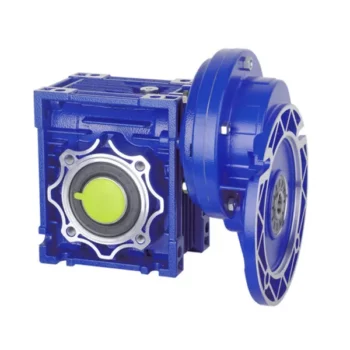
Maintenance Tips for Prolonging the Life of a Worm Gearbox
Proper maintenance is essential to ensure the longevity and reliable performance of a worm gearbox. Here are some maintenance tips to consider:
- Lubricación: Regularly check and replenish the lubricant in the gearbox. Use the recommended lubricant type and quantity specified by the manufacturer.
- Lubrication Schedule: Follow a lubrication schedule based on the operating conditions and manufacturer recommendations. Regular lubrication prevents friction, reduces wear, and dissipates heat.
- Temperature Monitoring: Keep an eye on the operating temperature of the gearbox. Excessive heat can degrade the lubricant and damage components.
- Limpieza: Keep the gearbox and surrounding area clean from debris and contaminants. Regularly inspect and clean the gearbox exterior.
- Seal Inspection: Check for any leaks or damage to seals and gaskets. Replace them promptly to prevent lubricant leaks and contamination.
- Alignment: Ensure proper alignment between the worm and worm wheel. Misalignment can lead to increased wear and reduced efficiency.
- Torque Monitoring: Monitor the torque levels during operation. Excessive torque can cause overloading and premature wear.
- Regular Inspections: Periodically inspect all components for signs of wear, damage, or unusual noise. Replace worn or damaged parts promptly.
- Proper Usage: Operate the gearbox within its specified limits, including load, speed, and temperature. Avoid overloading or sudden changes in operating conditions.
- Expert Maintenance: If major maintenance or repairs are needed, consult the manufacturer’s guidelines or seek the assistance of qualified technicians.
By following these maintenance tips and adhering to the manufacturer’s recommendations, you can extend the lifespan of your worm gearbox and ensure its optimal performance over time.
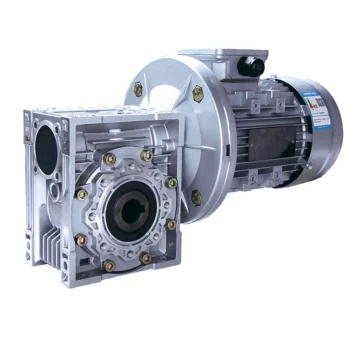
¿Un reductor de tornillo sin fin requiere mantenimiento frecuente?
Los reductores de tornillo sin fin generalmente requieren un mantenimiento menos frecuente que otros tipos de reductores debido a su diseño y características de funcionamiento. Sin embargo, el mantenimiento sigue siendo esencial para garantizar un rendimiento óptimo y una larga vida útil. A continuación, se presentan algunos puntos clave a considerar:
- Lubricación: Una lubricación adecuada es fundamental para las cajas de engranajes helicoidales. Compruebe periódicamente el nivel y la calidad del lubricante para evitar el desgaste y el sobrecalentamiento. El lubricante debe cambiarse según las recomendaciones del fabricante.
- Inspecciones: Inspeccione periódicamente la caja de cambios para detectar signos de desgaste, daños o fugas de aceite. Compruebe si hay ruidos inusuales, vibraciones o cambios en el rendimiento que puedan indicar un problema.
- Ajuste y alineación: Compruebe y apriete los tornillos sueltos y asegúrese de que la caja de cambios esté correctamente alineada. Una mala alineación puede provocar un mayor desgaste y una menor eficiencia.
- Mantenimiento de sellos: Inspeccione y mantenga los sellos para evitar fugas de aceite y la entrada de contaminantes en la caja de cambios.
- Limpieza: Mantenga la caja de cambios limpia de residuos y contaminantes que puedan afectar su funcionamiento. La limpieza regular previene el desgaste prematuro y los daños.
- Carga y velocidad: Asegúrese de que la caja de cambios funcione dentro de sus límites de carga y velocidad nominales. Superar estos límites puede provocar un desgaste acelerado y una posible avería.
- Condiciones ambientales: Tenga en cuenta el entorno de funcionamiento de la caja de engranajes. Las temperaturas extremas, la humedad y otros factores pueden afectar su rendimiento y durabilidad.
Si bien las cajas de engranajes de tornillo sin fin son conocidas por su durabilidad y su sistema de autobloqueo, descuidar el mantenimiento puede provocar un desgaste prematuro, una menor eficiencia y posibles averías. Seguir las recomendaciones del fabricante sobre los intervalos y procedimientos de mantenimiento es fundamental para mantener la caja de engranajes de tornillo sin fin en óptimas condiciones.
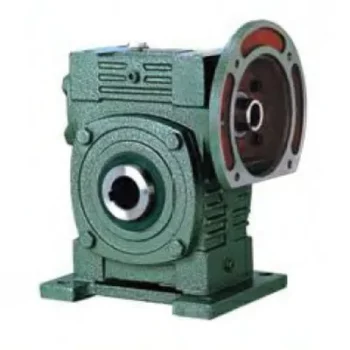
Tipos de configuraciones de engranajes helicoidales y sus usos
Las configuraciones de los engranajes helicoidales varían según la disposición del tornillo sin fin y el engranaje con el que engrana. A continuación, se muestran los tipos más comunes y sus aplicaciones:
- Engranaje helicoidal envolvente simple: Esta configuración ofrece una alta transmisión de par y eficiencia. Se utiliza en aplicaciones de servicio pesado, como equipos de minería y maquinaria industrial.
- Engranaje helicoidal de doble envoltura: Gracias a su mayor superficie de contacto, este tipo de cojinete ofrece una mayor capacidad de carga y una eficiencia mejorada. Se utiliza en aplicaciones aeroespaciales, robótica y maquinaria de precisión.
- Engranaje helicoidal sin garganta: Este tipo tiene un tornillo sin fin cilíndrico sin garganta. Es adecuado para aplicaciones que requieren un control de movimiento preciso, como máquinas CNC y robótica.
- Engranaje de tornillo sin fin con garganta: Esta configuración, que incorpora una garganta en el tornillo sin fin, ofrece un acoplamiento suave y una mayor capacidad de carga. Se utiliza en cintas transportadoras, ascensores y aplicaciones automotrices.
- Engranaje helicoidal no modular: En este diseño, el tornillo sin fin y el engranaje forman un conjunto perfectamente acoplado, lo que resulta en un mejor engranaje y mayor eficiencia. Se utiliza en diversas industrias donde la personalización es fundamental.
- Engranaje helicoidal modular: Este tipo permite la intercambiabilidad de los componentes de tornillo sin fin y engranaje, lo que proporciona flexibilidad en el diseño y el mantenimiento. Se utiliza comúnmente en transportadores, mezcladoras y sistemas de manipulación de materiales.
La selección de la configuración adecuada del engranaje helicoidal depende de factores como la capacidad de carga, la eficiencia, la precisión y los requisitos de la aplicación. Consultar con expertos en reductores puede ayudarle a determinar la mejor configuración para sus necesidades específicas.


editor by CX 2024-04-24