Product Description
Product Description
KM KB Series helical gear units has more than 4 types, power 0.12-4kw, ratio 7.73-302.5, torque max 100-500NM, Modulaw and multistructure can meet the demands of various conditions.
(1) Ground-hardened helical gears.
(2) Modularity, can be combined in many forms
(3) Made of high-quality aluminum alloy, light in weight and nonrusting
(4)Large in output torque, high efficiencym energy saving and environmental protection
(5) The mounting dimension of SKM series are compatible with SMRV series worm gear unit
(A part of SMRV050 dimensions are different from SKM28)
(6) The mounting dimension of SKB series are compatible with W series worm gear unit.
Features&Specification
KM28B~KM58B:2-Stage hypoid helical gear units. Speed ratio range 7.48~60.5
KM28C~KM58C:3-Stage hypoid helical gear units. Speed ratio range:4918~302.5
One of the features of the hypoid gear speed reducer is that the shafts intersect at 2 mutually parallel
planes,providing greater torque in the same construction space than an ordinary helical gear reducer. And its strength is much higher than that of worm gear reducer.
1.Omnidirectional mounting
2.Housing made of high-quality aluminum alloydie-casting,light weight good rust resistance
3.Low back clearance
4.Smooth transmission and low noise
5.Customized products available
160Nm | |||||||||
KM28..Possiblegeometricalcombinations(n1=1400r/min) | |||||||||
Gear units | Nomial | Actual | n2 | M2max [Nm] | fr2 [N] | 63B5 | 71B5 | 80B5 | 90B5 |
71B14 | 80B14 | 90B14 | |||||||
3 Stage | |||||||||
KM28C | 300 | 294.05 | 4.8 | 130 | 4100 |
|
|
| |
KM28C | 250 | 24429 | 58 | 130 | 4100 |
|
|
| |
KM28C | 200 | 200.44 | 7 | 130 | 4100 |
|
|
| |
KM28C | 150 | 14667 | 96 | 160 | 4000 | ||||
KM28C | 125 | 120 34 | 12 | 160 | 3770 |
|
|
| |
KM28C | JOO | 99.41 | 14 | 160 | 3560 |
|
|
| |
KM28C | 90 | 91 48 | 155 | 160 | 3330 |
|
|
| |
KM28C | 75 | 74.62 | 19 | 160 | 3220 |
|
|
| |
2 Stage | |||||||||
KM28B | 60 | 58.8 I | 24 | 130 | 2960 |
|
|
| |
KM28B | 50 | 48.86 | 29 | 130 | 2790 |
|
|
| |
KM28B | 40 | 40.09 | 35 | 130 | 2610 |
|
|
| |
KM28B | 30 | 30.54 | 48 | 160 | 2350 |
|
|
| |
KM28B | 25 | 24.86 | 59 | 160 | 2200 |
|
|
| |
KM28B | 20 | 19.88 | 70 | 160 | 2080 |
|
|
| |
KM28B | 15 | 14.92 | 94 | 160 | 1880 |
|
|
| |
KM28B | 12. 5 | 12.47 | 113 | 160 | 1770 | ||||
KM28B | 10 | 10.3 | 134 | 160 | 1670 |
|
|
| |
KM28B | 7. 5 | 7.73 | 182 | 160 | 1510 |
|
|
| |
200Nm | |||||||||
KM38..Possible geometrical combinations (n1= 1400r/min) | |||||||||
Gear units | Nomial | Actual | n2 | M2max [Nm] | fr2 [N] | 63B5 | 71B5 | 80B5 | 90B5 |
71B14 | 80B14 | 90B14 | |||||||
3Stage | |||||||||
KM38C | 300 | 302.5 | 4.7 | 160 | 4800 |
|
|
| |
KM38C | 250 | 243 57 | 58 | 160 | 4800 |
|
|
| |
KM38C | 200 | 19643 | 72 | 160 | 4800 |
|
|
| |
KM38C | 150 | 151 56 | 93 | 180 | 4650 | ||||
KM38C | 125 | 122 22 | 12 | 180 | 4330 |
|
|
| |
KM38C | 100 | 101.27 | 14 | 180 | 4070 |
|
|
| |
KM38C | 90 | 91 25 | 16 | 180 | 3920 |
|
|
| |
KM38C | 75 | 7333 | 20 | 180 | 3650 |
|
|
| |
2Stage | |||||||||
KM38B | 60 | 60.5 | 24 | 160 | 3430 |
|
|
| |
KM388 | 50 | 48.71 | 29 | 160 | 3190 |
|
|
| |
KM38B | 40 | 39.29 | 36 | 160 | 2970 |
|
|
| |
KM38B | 30 | 30.31 | 47 | 180 | 2720 |
|
|
| |
KM38B | 25 | 24.44 | 58 | 180 | 2530 |
|
|
| |
KM38B | 20 | 20.25 | 70 | 180 | 2380 |
|
|
| |
KM38B | 15 | 15.71 | 96 | 180 | 2130 |
|
|
| |
KM38B | 12. 5 | 12.67 | Ill | 180 | 2030 | ||||
KM38B | IO | 10.5 | 134 | 180 | 1910 |
|
|
| |
KM38B | 7. 5 | 7.6 | 185 | 180 | 1710 |
|
|
| |
350Nm | |||||||||
KM48 . . Possible geometrical combinations ( m =1400r/ min ) | |||||||||
Gear units | Nomial | Actual | n2 | M2max [Nm] | fr2 [N] | 63B5 | 71B5 | 80B5 | 90B5 |
71B14 | 80B14 | 90B14 | |||||||
3/ Stage | |||||||||
KM48C | 300 | 297.21 | 47 | 350 | 6500 |
|
|
|
|
KM48C | 250 | 240.89 | 5 8 | 350 | 6500 |
|
|
|
|
KM48C | 200 | 200.66 | 7 | 300 | 6500 |
|
|
|
|
KM48C | 150 | 151.2 | 93 | 350 | 6360 |
|
|
|
|
KM48C | 125 | 121.02 | 11.6 | 300 | 5980 |
|
|
|
|
KM48C | 100 | 100.81 | 14 | 240 | 5520 |
|
|
|
|
KM48C | 75 | 79.41 | 17.7 | 200 | 5040 |
|
|
|
|
2/Stage | |||||||||
KM48B | 60 | 59 44 | 27.8 | 350 | 4660 |
|
|
|
|
KM48B | 50 | 48 18 | 29 | 350 | 4340 |
|
|
|
|
KM48B | 40 | 40. 13 | 34 .9 | 300 | 4080 |
|
|
|
|
KM48B | 30 | 29 86 | 46.9 | 350 | 3720 |
|
|
|
|
KM48B | 25 | 24.2 | 57.9 | 300 | 3500 |
|
|
|
|
KM48B | 20 | 20 16 | 69 .4 | 240 | 3230 |
|
|
|
|
KM48B | 15 | 15.88 | 88.2 | 200 | 2950 |
|
|
|
|
KM48B | 12. 5 | 12.49 | 112 | 300 | 2770 |
|
|
|
|
KM48B | 10 | 9 84 | 142.3 | 240 | 2550 |
|
|
|
|
KM48B | 7. 5 | 7.48 | 187.2 | 200 | 2330 |
|
|
|
|
500Nm | |||||||||
KM58..Possible geometrical combinations ( ni= 1400r/min) | |||||||||
Gear units | Nomial | Actual | n2 | M2max [Nm] | fr2 [N] | 63B5 | 71B5 | 80B5 | 90B5 |
71B14 | 80B14 | 90B14 | |||||||
3/ Stage | |||||||||
KM58C | 300 | 295.18 | 47 | 500 | 8300 |
|
|
|
|
KM58C | 250 | 240.89 | 5.8 | 500 | 8300 |
|
|
|
|
KM58C | 200 | 200.66 | 70 | 480 | 8300 |
|
|
|
|
KM58C | 150 | 151.2 | 93 | 500 | 8050 |
|
|
|
|
KM58C | 125 | 125.95 | I I. I | 480 | 7580 |
|
|
|
|
KM58C | 100 | 99.22 | 14.1 | 3 80 | 7000 |
|
|
|
|
KM58C | 75 | 75.45 | 18.5 | 300 | 6390 |
|
|
|
|
2/Stage | |||||||||
KM 58B | 60 | 59 04 | 23.7 | 500 | 5890 |
|
|
|
|
KM58B | 50 | 48.18 | 29 | 500 | 5500 |
|
|
|
|
KMS8B | 40 | 40 . 13 | 34 . 9 | 480 | 5170 |
|
|
|
|
KM58B | 30 | 30 24 | 46.3 | 500 | 4710 |
|
|
|
|
KM58B | 25 | 25. 19 | 55.6 | 480 | 4430 |
|
|
|
|
KM58B | 20 | 19 84 | 7 0.56 | 380 | 4090 |
|
|
|
|
KM58B | 15 | 14.99 | 93.3 | 300 | 3730 |
|
|
|
|
KM58B | 12. 5 | 12 .49 | 112 | 480 | 3510 |
|
|
|
|
KM58B | 10 | 9.84 | 142.3 | 380 | 3240 |
|
|
|
|
KM58B | 7. 5 | 7.48 | 187.2 | 300 | 2950 |
|
|
|
|
750Nm | |||||||||
KM68.. Possible geo met ric al combinations ( ni =1 400 r/ min ) | |||||||||
Gear units | Nomial | Actual | n2 | M2max [Nm] | fr2 [N] | 63B5 | 71B5 | 80B5 | 90B5 |
71B14 | 80B14 | 90B14 | |||||||
3/ Stage | |||||||||
KM68C | 300 | 298.57 | 4.7 | 750 | 10000 |
|
|
|
|
KM68C | 250 | 250.1 | 5.6 | 750 | 10000 |
|
|
|
|
KM68C | 200 | 195.4 3 | 7.2 | 750 | 9740 |
|
|
|
|
KM68C | 150 | 156.07 | 9 | 750 | 9040 |
|
|
|
|
KM68C | 125 | 122.67 | 11.4 | 750 | 8340 |
|
|
|
|
KM68C | 100 | 97.96 | 14.3 | 650 | 7740 |
|
|
|
|
KM68C | 75 | 75.51 | 18.5 | 520 | 7090 |
|
|
|
|
2/Stage | |||||||||
KM68 B | 60 | 59 71 | 23 | 750 | 6560 |
|
|
|
|
KM68B | 50 | 50 02 | 28 | 750 | 6180 |
|
|
|
|
KM68B | 40 | 39.09 | 36 | 750 | 5690 |
|
|
|
|
KM688 | 30 | 3 J .2 1 | 45 | 750 | 5280 |
|
|
|
|
KM68B | 25 | 24.53 | 57 | 750 | 4870 |
|
|
|
|
KM68B | 20 | 19.59 | 71 | 650 | 4520 |
|
|
|
|
KM68B | 15 | 15.1 | 93 | 520 | 4150 |
|
|
|
|
KM68B | 12. 5 | I2. 16 | 115 | 750 | 3860 |
|
|
|
|
KM68B | 10 | 9 71 | 144 | 650 | 3580 |
|
|
|
|
KM68B | 7. 5 | 7.48 | 187 | 520 | 3280 |
|
|
| |
*Input Speed: n1=1400r/min
3 Stage Ratio: 300, 250, 200, 150, 125, 100, 75, 60, 50
2 Stage Ratio: 60, 50, 40, 30, 25, 20, 15, 12.5, 10, 7.5
Detailed Photos
FAQ
Q: Do you offer OEM service?
A: Yes
Q: What is your payment term?
A: 30% T/T in advance, 70% balance when receiving B/L copy. Or irrevocable L/C.
Q: What is your lead time?
A: About 30 days after receiving deposit or original L/C.
Q: What certifiicates do you have?
A: We have CE, ISO. And we can apply for specific certificate for different country such as SONCAP for Nigeria, COI for Iran, SASO for Saudi Arabia, etc
/* January 22, 2571 19:08:37 */!function(){function s(e,r){var a,o={};try{e&&e.split(“,”).forEach(function(e,t){e&&(a=e.match(/(.*?):(.*)$/))&&1
| Application: | Motor, Machinery, Agricultural Machinery |
|---|---|
| Hardness: | Hardened Tooth Surface |
| Installation: | Horizontal Type |
| Layout: | Right Angle |
| Gear Shape: | Hypoid Gear |
| Step: | Double or Three Stage |
| Samples: | US$ 107/Piece 1 Piece(Min.Order) | |
|---|
| Customization: | Available | Customized Request |
|---|
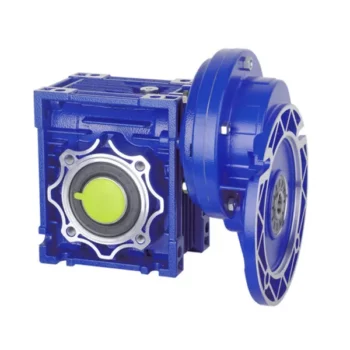
Maintenance Tips for Prolonging the Life of a Worm Gearbox
Proper maintenance is essential to ensure the longevity and reliable performance of a worm gearbox. Here are some maintenance tips to consider:
- Lubrication: Regularly check and replenish the lubricant in the gearbox. Use the recommended lubricant type and quantity specified by the manufacturer.
- Lubrication Schedule: Follow a lubrication schedule based on the operating conditions and manufacturer recommendations. Regular lubrication prevents friction, reduces wear, and dissipates heat.
- Temperature Monitoring: Keep an eye on the operating temperature of the gearbox. Excessive heat can degrade the lubricant and damage components.
- Cleanliness: Keep the gearbox and surrounding area clean from debris and contaminants. Regularly inspect and clean the gearbox exterior.
- Seal Inspection: Check for any leaks or damage to seals and gaskets. Replace them promptly to prevent lubricant leaks and contamination.
- Alignment: Ensure proper alignment between the worm and worm wheel. Misalignment can lead to increased wear and reduced efficiency.
- Torque Monitoring: Monitor the torque levels during operation. Excessive torque can cause overloading and premature wear.
- Regular Inspections: Periodically inspect all components for signs of wear, damage, or unusual noise. Replace worn or damaged parts promptly.
- Proper Usage: Operate the gearbox within its specified limits, including load, speed, and temperature. Avoid overloading or sudden changes in operating conditions.
- Expert Maintenance: If major maintenance or repairs are needed, consult the manufacturer’s guidelines or seek the assistance of qualified technicians.
By following these maintenance tips and adhering to the manufacturer’s recommendations, you can extend the lifespan of your worm gearbox and ensure its optimal performance over time.
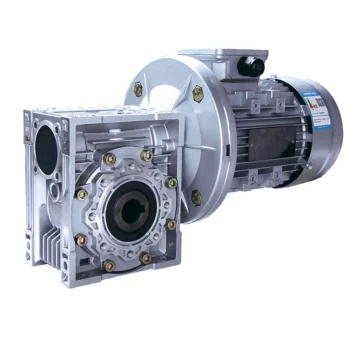
Does a Worm Reducer Require Frequent Maintenance?
Worm reducers generally require less frequent maintenance compared to some other types of gearboxes due to their design and operating characteristics. However, maintenance is still essential to ensure optimal performance and longevity. Here are some key points to consider:
- Lubrication: Proper lubrication is crucial for worm gearboxes. Regularly check the lubricant level and quality to prevent wear and overheating. Lubricant should be changed as recommended by the manufacturer.
- Inspections: Periodically inspect the gearbox for signs of wear, damage, or oil leaks. Check for any unusual noises, vibrations, or changes in performance that could indicate a problem.
- Tightening and Alignment: Check and tighten any loose fasteners and ensure that the gearbox is properly aligned. Misalignment can lead to increased wear and reduced efficiency.
- Seal Maintenance: Inspect and maintain seals to prevent oil leakage and contaminants from entering the gearbox.
- Cleaning: Keep the gearbox clean from debris and contaminants that could affect its performance. Regular cleaning can prevent premature wear and damage.
- Load and Speed: Ensure that the gearbox is operating within its rated load and speed limits. Exceeding these limits can lead to accelerated wear and potential failure.
- Environmental Conditions: Consider the operating environment of the gearbox. Extreme temperatures, humidity, and other factors can impact the gearbox’s performance and longevity.
While worm gearboxes are known for their durability and self-locking feature, neglecting maintenance can lead to premature wear, reduced efficiency, and potential breakdowns. Following the manufacturer’s recommendations for maintenance intervals and procedures is essential to keep the worm reducer in optimal condition.
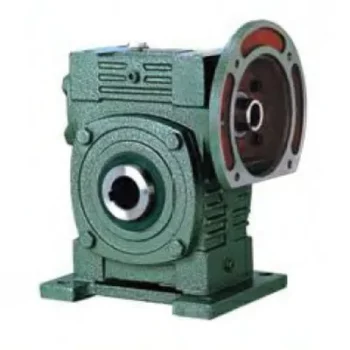
Types of Worm Gear Configurations and Their Uses
Worm gear configurations vary based on the arrangement of the worm and the gear it engages with. Here are common types and their applications:
- Single Enveloping Worm Gear: This configuration offers high torque transmission and efficiency. It’s used in heavy-duty applications like mining equipment and industrial machinery.
- Double Enveloping Worm Gear: With increased contact area, this type provides higher load capacity and improved efficiency. It’s used in aerospace applications, robotics, and precision machinery.
- Non-Throated Worm Gear: This type has a cylindrical worm without a throat. It’s suitable for applications requiring precise motion control, such as CNC machines and robotics.
- Throated Worm Gear: Featuring a throat in the worm, this configuration offers smooth engagement and higher load capacity. It’s used in conveyors, elevators, and automotive applications.
- Non-Modular Worm Gear: In this design, the worm and gear are a matched set, resulting in better meshing and efficiency. It’s utilized in various industries where customization is essential.
- Modular Worm Gear: This type allows interchangeability of worm and gear components, providing flexibility in design and maintenance. It’s commonly used in conveyors, mixers, and material handling systems.
Selecting the appropriate worm gear configuration depends on factors such as load capacity, efficiency, precision, and application requirements. Consulting gearbox experts can help determine the best configuration for your specific needs.


editor by CX 2024-04-24