Descrizione del prodotto
Parametri del prodotto
Editing and broadcasting of main materials
1. Body, die-casting aluminum alloy;
2. Worm shaft, 20 Crq steel, high temperature treatment;
3. Worm gear, nickel bronze alloy;
4. Aluminum alloy body, sandblasting and surface anti-corrosion treatment;
5. Cast iron body, painted with bIu RA5571.
Regular center distance specification editing and broadcasting
Center distance: 130 (unit: mm).
Output hole/shaft diameter: 11, 14, 18, 25, 28, 35, 42, 45 (unit: mm)
Foto dettagliate
NMRV-063-30-VS–AS-80B5-0.75KW-B3 | |||
NMRV | Means hole-input with flange | ||
NRV | Means shaft-input without flange | ||
063 | Centre-to-centre spacing of worm-gear speed reducer | ||
30 | rapporto | ||
VS | Double input shaft | F1(FA) | Flange putput shaft |
AS | Single output shaft | AB | Double output shaft |
PAM |
| 80B5 | Motor mounting facility |
0.75KW |
| B3 | Posizione di montaggio |
N2 | NRV571 | NRV030 | NRV040 | NRV050 | NRV063 | NRV075 | NRV090 | NRV110 | NRV130 |
400 | 390 | 530 | 1571 | 1400 | 1830 | 2160 | 2390 | 3571 | 3950 |
250 | 460 | 620 | 1200 | 1650 | 2150 | 2520 | 2800 | 3530 | 4610 |
150 | 550 | 740 | 1420 | 1960 | 2450 | 2990 | 3310 | 4180 | 5470 |
100 | 630 | 850 | 1620 | 2250 | 2910 | 3430 | 3800 | 4790 | 6260 |
60 | 740 | 1000 | 1920 | 2660 | 3450 | 4060 | 4500 | 5680 | 7420 |
40 | 850 | 1150 | 2200 | 3050 | 3950 | 4650 | 5150 | 6500 | 8500 |
25 | 990 | 1350 | 2570 | 3570 | 4620 | 5440 | 6571 | 7600 | 9940 |
10 | 1350 | 1830 | 3490 | 4840 | 6270 | 7380 | 8180 | 10320 | 13500 |
|
|
|
|
|
|
|
|
|
|
UN | 50 | 65 | 84 | 101 | 120 | 131 | 162 | 191 | 203 |
B | 38 | 50 | 64 | 76 | 95 | 101 | 122 | 151 | 163 |
Use and safety guarantee
1. Please check and confirm the matching intensity between worm gear reducer and mechanical equipment before use to assure that it is in the safety range of worm gear reducer performance parameters
2. Worm gear reducer has filled with WA460 lubricating oil. Please replace the lubricating oil after the first starting of 400 hours and after then 4000 hours for lubricating oil replacing cycle
3. There should be enough lubrication in worm gear box and keep regular check with the oil level.
4. When installation. please be careful to avoid sharp instruments bruising the oil seals on output shaft to cause leakage
5. Please confirm the rotation direction before mechanical connection. If the rotation direction is not correct, it will possible injury or damage the devices
6. Please set safety covers in rotating position to avoid of injuring
7. Please pay full attention: it is very dangerous if there is off or falling when movin
/* 22 gennaio 2571 19:08:37 */!function(){function s(e,r){var a,o={};try{e&&e.split(“,”).forEach(function(e,t){e&&(a=e.match(/(.*?):(.*)$/))&&1
| Durezza: | Superficie del dente indurita |
|---|---|
| Installazione: | 90 gradi |
| Disposizione: | Espansione |
| Forma dell'ingranaggio: | Ingranaggio conico |
| Fare un passo: | Passo singolo |
| Tipo: | Riduttore di velocità |
| Esempi: | US$ 30/Pezzo 1 pezzo (ordine minimo) | |
|---|
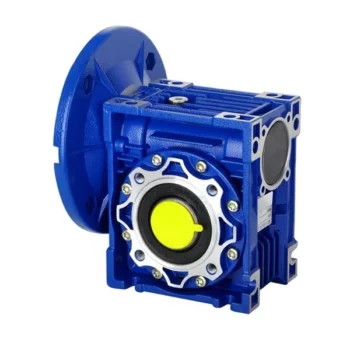
How to Install and Align a Worm Reducer Properly
Proper installation and alignment of a worm reducer are crucial for ensuring optimal performance and longevity. Follow these steps to install and align a worm reducer:
- Preparation: Gather all the necessary tools, equipment, and safety gear before starting the installation process.
- Positioning: Place the worm reducer in the desired location, ensuring that it is securely mounted to a stable surface. Use appropriate fasteners and mounting brackets as needed.
- Shaft Alignment: Check the alignment of the input and output shafts. Use precision measurement tools to ensure that the shafts are parallel and in line with each other.
- Base Plate Alignment: Align the base plate of the reducer with the foundation or mounting surface. Ensure that the base plate is level and properly aligned before securing it in place.
- Bolt Tightening: Gradually and evenly tighten the mounting bolts to the manufacturer’s specifications. This helps ensure proper contact between the reducer and the mounting surface.
- Check for Clearance: Verify that there is enough clearance for any rotating components or parts that may move during operation. Avoid any interference that could cause damage or performance issues.
- Lubrificazione: Apply the recommended lubricant to the worm reducer according to the manufacturer’s guidelines. Proper lubrication is essential for smooth operation and reducing friction.
- Alignment Testing: After installation, run the worm reducer briefly without a load to check for any unusual noises, vibrations, or misalignment issues.
- Load Testing: Gradually introduce the intended load to the worm reducer and monitor its performance. Ensure that the reducer operates smoothly and efficiently under the load conditions.
It’s important to refer to the manufacturer’s installation guidelines and specifications for your specific worm reducer model. Proper installation and alignment will contribute to the gearbox’s reliability, efficiency, and overall functionality.
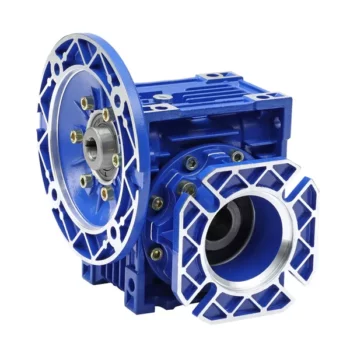
Come calcolare le velocità di ingresso e di uscita di un riduttore a vite senza fine?
Il calcolo delle velocità di ingresso e di uscita di un riduttore a vite senza fine richiede la comprensione del rapporto di trasmissione e dei principi della riduzione degli ingranaggi. Ecco come è possibile calcolare queste velocità:
- Velocità di input: La velocità di ingresso (N1) è la velocità dell'ingranaggio di trasmissione, che in questo caso è la vite senza fine. Solitamente viene fornita dal produttore oppure può essere misurata direttamente.
- Velocità di uscita: La velocità di uscita (N2) è la velocità dell'ingranaggio condotto, che è la ruota elicoidale. Per calcolare la velocità di uscita, utilizzare la formula:
N2 = N1 / (Z1 * io)
Dove:
N2 = Velocità di uscita (giri/min)
N1 = Velocità di ingresso (giri/min)
Z1 = Numero di denti della vite senza fine
i = Rapporto di trasmissione (rapporto tra il numero di denti della vite senza fine e il numero di filetti della vite senza fine)
È importante notare che i riduttori a vite senza fine sono progettati per la riduzione degli ingranaggi, il che significa che la velocità di uscita è inferiore alla velocità di ingresso. Inoltre, l'efficienza del riduttore, l'attrito e altri fattori possono influenzare la velocità di uscita effettiva. Il calcolo delle velocità di ingresso e di uscita è fondamentale per comprendere le prestazioni e le capacità del riduttore a vite senza fine in una specifica applicazione.
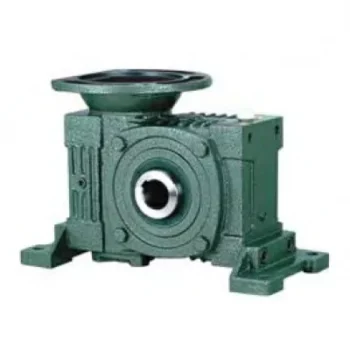
In quali settori industriali si utilizzano comunemente i riduttori a vite senza fine?
I riduttori a vite senza fine sono componenti meccanici versatili che trovano applicazione in diversi settori industriali grazie ai loro vantaggi e alle loro capacità uniche. Alcuni dei settori che comunemente utilizzano i riduttori a vite senza fine includono:
- Movimentazione dei materiali: I riduttori a vite senza fine sono ampiamente utilizzati nelle apparecchiature per la movimentazione dei materiali, come nastri trasportatori, elevatori a tazze e gru, per controllare il movimento e gestire carichi pesanti.
- Settore automobilistico: Vengono utilizzati nei processi di produzione automobilistica, nelle linee di assemblaggio e nei sistemi di posizionamento dei veicoli.
- Cibo e bevande: I riduttori a vite senza fine vengono utilizzati nei macchinari per la lavorazione e il confezionamento degli alimenti, dove l'igiene e la pulizia sono fondamentali.
- Agricoltura: Le attrezzature agricole come i sistemi di irrigazione e i trattori utilizzano riduttori a vite senza fine per controllare il movimento rotatorio.
- Attività mineraria e di costruzione: Heavy-duty applications in mining equipment, excavators, and construction machinery benefit from the torque multiplication provided by worm reducers.
- Energia: Le turbine eoliche e i sistemi di inseguimento solare utilizzano riduttori a vite senza fine per convertire il movimento a bassa velocità e coppia elevata in energia rotazionale.
- Tessile: Textile machinery employs worm reducers for controlling speed and tension in weaving and spinning operations.
- Confezione: Le macchine per l'imballaggio si affidano a riduttori a vite senza fine per il movimento e il posizionamento precisi dei materiali di imballaggio.
- Medico: I dispositivi e le apparecchiature mediche spesso utilizzano riduttori a vite senza fine per garantire precisione e controllo del movimento.
- Stampa: Le macchine da stampa utilizzano riduttori a vite senza fine per regolare l'alimentazione della carta e garantire una qualità di stampa costante.
La capacità dei riduttori a vite senza fine di fornire un'elevata coppia in uscita, il design compatto e le caratteristiche di autobloccaggio li rendono adatti ad applicazioni che richiedono un movimento affidabile e controllato in diversi settori industriali.


editor by CX 2024-04-16