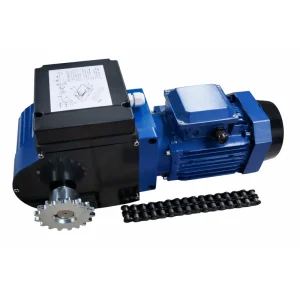
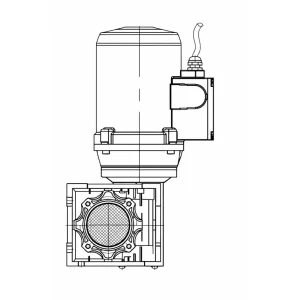
EP Series Glass Edging Speed Reducer & Motor
A precision-engineered glass edging speed reducer integrated with a dedicated spindle motor, purpose-built for straight-line glass edging, polishing, and beveling equipment. Rated IP56, vibration grade S, and spindle runout within 0–0.02 mm.
Designed as a direct glass edging machine motor replacement or OEM fit, the EP Series supports one-stop procurement for both the speed reducer assembly and the drive motor.
1. Technical Specifications of the Glass Edging Speed Reducer Motor
| Glass Edging Speed Reducer Parameter | Specification |
|---|---|
| Motor Series | YEM-80 / YEM-90 |
| Power Range | 1.1 kW – 4 kW |
| Ingress Protection Rating | IP56 (dust-protected, water-jet resistant) |
| Spindle Face Runout | 0 – 0.02 mm (max) |
| Vibration Grade | S Level (per GB/T 10068 / ISO 10816) |
| Product Type | Integrated Glass Edging Speed Reducer + Motor |
| Cooling Method | Self-cooled (fan-cooled motor) |
| Mounting | Flange-mount, compatible with most straight-line edger spindle housings |
| Application Equipment | Straight-line glass edging machines, beveling machines, polishing lines |
| Certification Reference | Manufactured in compliance with IEC 60034 motor standards; IP rating per IEC 60529 |

2. Five Key Facts of Glass Edging Speed Reducer Motor
- Motor series YEM-80 / YEM-90, power range 1.1 kW to 4 kW, matched to the glass edging speed reducer for optimised torque delivery.
- IP56 ingress protection — resists water jets and dust ingress, critical on coolant-flooded glass grinding lines.
- Spindle face runout tolerance: 0–0.02 mm maximum, ensuring edge finish quality that meets or exceeds industry standards.
- Whole-machine vibration grade S level — the highest class in the Chinese national standard GB/T 10068, equivalent to ISO 10816 Class A.
- Available as a direct drop-in glass edging machine spare parts motor for most straight-line edger platforms.
3. What Is the EP Glass Edging Speed Reducer Motor?
A glass edging speed reducer is not a standalone component — it always works in tandem with a drive motor to form a complete gearmotor unit. The EP Series Glass Edging Speed Reducer Motor integrates a YEM-80 or YEM-90 induction motor with a matched gearbox reducer, allowing the motor's high-speed output shaft to be stepped down to the precise RPM and elevated torque level required at each grinding or polishing spindle. Without a properly matched speed reducer, the motor torque is insufficient, and the spindle speed is too high, producing edge chipping rather than a polished finish.
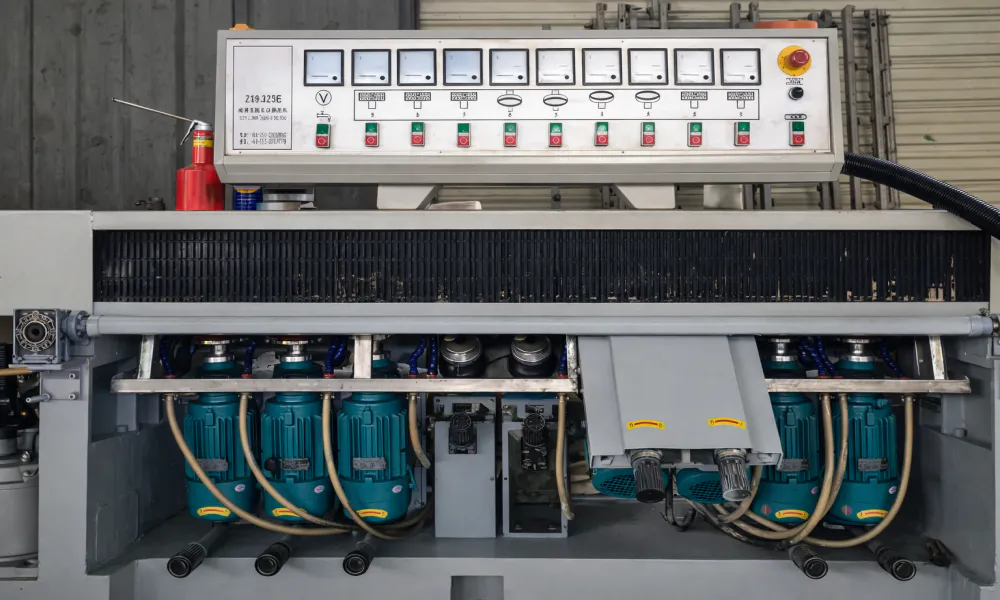
In a straight-line glass edging machine, multiple spindle stations — rough grinding, fine grinding, and polishing — each require their own glass edging gear reducer motor unit. The reducer absorbs vibration and transmits force smoothly, while the motor provides consistent electrical input. The EP Series Glass Edging Speed Reducer Motor is engineered so that the reducer housing and motor flange are factory-aligned, eliminating field alignment errors that often lead to premature bearing failure or spindle face runout exceeding tolerance.
The working principle follows standard helical or worm gear reducer mechanics: input shaft rotation from the motor is transferred through a gear train with a defined transmission ratio, reducing output RPM while multiplying torque proportionally (minus efficiency losses). The EP Series Glass Edging Speed Reducer Motor achieves this while holding the spindle face — the point that contacts the grinding wheel — to a runout of no more than 0.02 mm, a critical figure in glass edge quality control.
4. Five Key Advantages of the EP Glass Edging Speed Reducer Motor
1. IP56 Waterproof Protection
Glass grinding lines use continuous water coolant. The IP56 seal prevents coolant ingress into both the motor windings and the gear reducer housing, extending service life dramatically compared to standard TEFC motors that are not rated for splash-heavy environments. This is a direct answer to one of the most common failure modes on glass edging machines.
2. Ultra-Tight Spindle Runout (0.02 mm)
Edge quality on glass is determined by how consistently the grinding wheel maintains contact. A spindle face runout of 0–0.02 mm is the threshold required for optical-quality flat edges and bevel work. The EP Series Glass Edging Speed Reducer Motor achieves this through precision machining of the reducer output shaft and spindle assembly — factory-tested, not field-adjusted.
3. S-Grade Vibration Performance
Vibration transmitted from the gearmotor directly affects edge finish and wheel wear. The EP Series Glass Edging Speed Reducer Motor is balanced and assembled to achieve S-level (Grade S) vibration, equivalent to ISO 10816 Class A for rotating machines. Lower vibration translates to longer wheel life, less glass micro-chipping, and reduced noise levels on the shop floor — a measurable improvement for daily production environments.
4. Factory-Matched Reducer and Motor
Sourcing a glass edging reducer and a motor separately, then coupling them in the field, introduces alignment risk. The EP Series Glass Edging Speed Reducer Motor is assembled and tested as a single unit — flange alignment, shaft concentricity, and gear mesh are verified before shipment. This eliminates the most common cause of early bearing failure and gearbox oil leaks seen when field-assembled glass edging reducer gearbox motor combinations are used.
5. Direct Replacement Compatibility
The EP Series is engineered as a compatible glass edging machine motor replacement for the majority of straight-line edger platforms in the market. Standard flange dimensions and shaft configurations mean maintenance teams can swap failed units without machine modification. Keeping a spare EP Series Glass Edging Speed Reducer Motor on the shelf is considered best practice for any facility running glass edging operations on tight production schedules.
5. Materials & Construction
The Glass Edging Speed Reducer Motor housing is constructed from high-strength cast iron or die-cast aluminium alloy, depending on frame size, providing rigidity and effective heat dissipation during continuous-duty grinding cycles. Internal gear sets are manufactured from 20CrMnTi case-hardened alloy steel, ground to DIN or equivalent gear accuracy grades to ensure quiet, efficient power transmission throughout the service life of the glass processing machine motor parts.
Motor windings use class F (155°C) insulation as standard, with class H (180°C) available on request — important for installations in warm climates or enclosed machine enclosures common in US glass fabrication facilities. Bearing selection follows FAG or SKF equivalent specifications for both the motor and reducer shaft positions, supporting radial and axial loads generated by abrasive grinding wheel contact forces. All external fasteners are zinc-plated or stainless steel to resist corrosion from coolant exposure, a consideration frequently overlooked in generic motor specifications but central to the EP Series Glass Edging Speed Reducer Motor design philosophy.
Shaft seals on the reducer output side are double-lip rubber seals rated for continuous coolant spray, consistent with the IP56 system rating. The motor terminal box is sealed with a silicone gasket and features a conduit entry that can be oriented in any of four positions to suit the machine installation. Paint finish is an epoxy primer plus polyurethane topcoat, selected for chemical resistance to the alkaline coolants used in most glass grinding operations.
6. Application Scenarios of Glass Edging Speed Reducer Motor
Straight-Line Glass Edging Machines
Each grinding spindle station on a straight-line edger — rough, fine, and polishing — requires its own glass edging gear reducer motor. The EP Series Glass Edging Speed Reducer Motor is sized to match standard 4-, 7-, 9-, and 11-spindle configurations used in architectural glass and mirror production lines throughout the United States.
Glass Beveling Machines
Bevel processing requires consistent spindle speed and minimal vibration to produce a polished facet at a precise angle. The EP Series straight line glass edger motor and reducer combination is well-suited for both single-head hand bevelers and automated multi-spindle beveling lines where surface quality is a primary sales point.
Furniture and Tabletop Glass Processing
Furniture-grade glass — desk tops, shelving panels, decorative mirrors — requires polished edges that are smooth to the touch and free from micro-cracks that could lead to spontaneous breakage under stress. The EP Series 0.02 mm runout tolerance ensures the finish consistency that furniture OEMs and retailers require from their glass suppliers.
Automotive Glass Fabrication
Side windows and rear windows in automotive applications require edge grinding to precise dimensions with no edge chippage that might initiate glass fracture under road vibration loads. The S-grade vibration performance of the EP Glass Edging Speed Reducer Motor directly supports the tight quality control required for automotive glazing supply chains operating under IATF 16949 quality management frameworks.
Architectural and Curtain Wall Glass
Large architectural panels for curtain walls and commercial glazing are processed on high-capacity straight-line edgers running multiple shifts. In this context, motor and glass edger gearbox replacement parts reliability is critical — unplanned downtime on a glass line servicing a construction project carries significant contractual penalties. The EP Series Glass Edging Speed Reducer Motor is built for continuous industrial duty cycles.
Insulated Glass Unit (IGU) Production
Insulated glass units for windows and doors require precisely seamed edges to ensure proper sealant adhesion. Poor edge quality leads to seal failure and warranty claims. The EP Series glass polishing machine drive motor and gearbox combination delivers the edge finish consistency needed to meet ASTM E2190 and EN 1279 standards for sealed insulating glass units.
7. How the Glass Edging Speed Reducer Works
Power enters the system from the electrical supply to the YEM-series motor. The motor converts electrical energy into mechanical rotation at the design synchronous speed (typically 1400–2800 RPM depending on pole configuration and supply frequency). This high-speed rotation is fed directly into the input shaft of the integrated Glass Edging Speed Reducer Motor. Inside the reducer housing, an arrangement of precision-cut gears — helical in most configurations for lower noise — steps down the rotational speed to the target output RPM required at the grinding spindle, typically in the range of 1400–3500 RPM at the wheel, depending on wheel diameter and desired surface speed.
The torque multiplication that accompanies this speed reduction allows the motor to operate at its most efficient point on the power curve, even when grinding wheel contact loads vary. The output shaft of the Glass Edging Speed Reducer Motor is supported in precision preloaded bearings that define the spindle face runout. These bearings are selected and installed to maintain the 0.02 mm runout specification across the full operating temperature range of the machine. Lubrication is provided by a grease-packed or oil-bath system in the reducer, designed for sealed-for-life operation with periodic oil change intervals on larger units.
8. Regulatory & Standards Compliance
Buyers and end-users of Glass Edging Speed Reducer Motor systems should be aware of the regulatory landscape governing electric motors, gear reducers, and glass fabrication equipment in key markets.
| Region / Standard | Requirement | Relevance to Gearbox / Motor |
|---|---|---|
| USA — DOE 10 CFR Part 431 | EISA 2007 / DOE 2016 energy efficiency rules for electric motors | Motors 1–200 HP must meet NEMA Premium (IE3) efficiency. Verify motor efficiency class when specifying the industrial reducer motor for glass machine. |
| EU — EC 2019/1781 | IE3 minimum efficiency mandatory; IE2 only with VFD | Applicable for glass edging lines sold into the European market; also influences motors imported via OEM equipment into the EU. |
| USA / Canada — OSHA / CSA Z432 | Machine guarding, lockout/tagout, rotating equipment safety | All exposed rotating shafts on glass edging machines, including reducer output shafts, must be guarded per OSHA 29 CFR 1910.212. |
| IEC 60034-1 | International standard for rotating electrical machines | Defines continuous duty (S1), overload capacity, and temperature rise for the motor component of the Glass Edging Speed Reducer Motor unit. |
| IEC 60529 | Ingress Protection (IP) classification | The IP56 rating of the EP Series is defined and verified under this standard — IP5X = dust-protected, IPX6 = water jet resistant. |
| Australia — GEMS Act 2012 | Greenhouse and Energy Minimum Standards for motors | IE3 efficiency required for 3-phase motors 0.73–185 kW entering the Australian market, relevant for glass processing equipment exports. |
| AGMA 9005-F16 | Industrial Gear Lubrication standard (USA) | Sets lubrication viscosity grades, service factors, and oil change intervals for industrial gear reducers — applicable to the gearbox component of the EP Series. |
| ISO 6336 / DIN 3990 | Calculation of load capacity of spur and helical gears | Gear tooth bending and contact stress limits used in design validation of the glass edging gearbox reducer internal gear set. |
9. About Us
We are an experienced manufacturer specializing in Glass Edging Speed Reducer Motor, gear motors, and related power transmission components for the glass processing industry. With a focus on precision engineering, we serve glass fabricators across North America, Europe, Southeast Asia, and beyond. Our production facility operates under rigorous quality control procedures aligned with ISO 9001 principles, ensuring every glass edging reducer gearbox motor that leaves the floor meets documented runout, vibration, and ingress protection specifications.
This experience is embedded in the EP Series Glass Edging Speed Reducer Motor design. We also offer a full range of compatible drive motors and accessory components, providing a genuine one-stop source for glass edging machine spare parts motor procurement and emergency replacement needs in the USA and other markets.
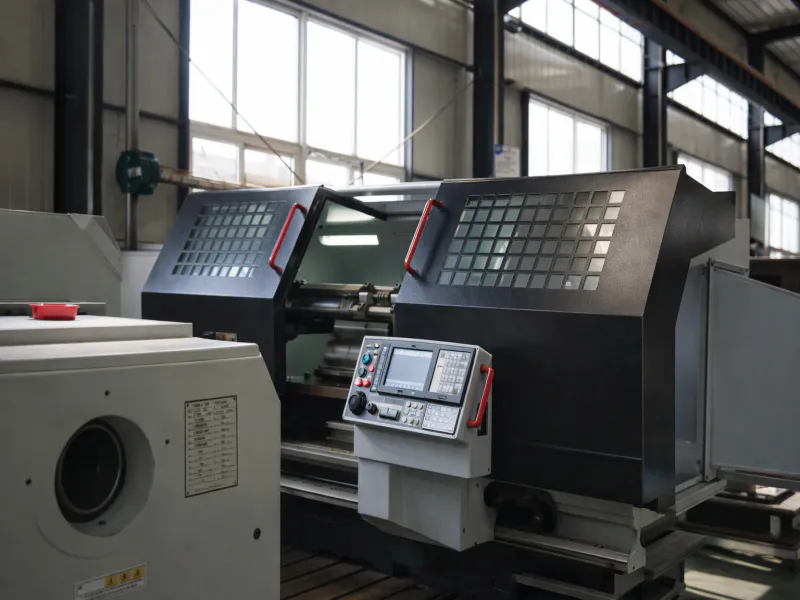
WorkShop



10. Related Products
The EP Series glass edging speed reducer is engineered for use with compatible drive motors. We manufacture a full range of matched Motor products designed to work in system with our gear reducer lineup — ensuring electrical compatibility, matched torque curves, and simplified one-supplier procurement for your glass processing line. See our Motor products for glass edging machines for full specifications and compatibility data.
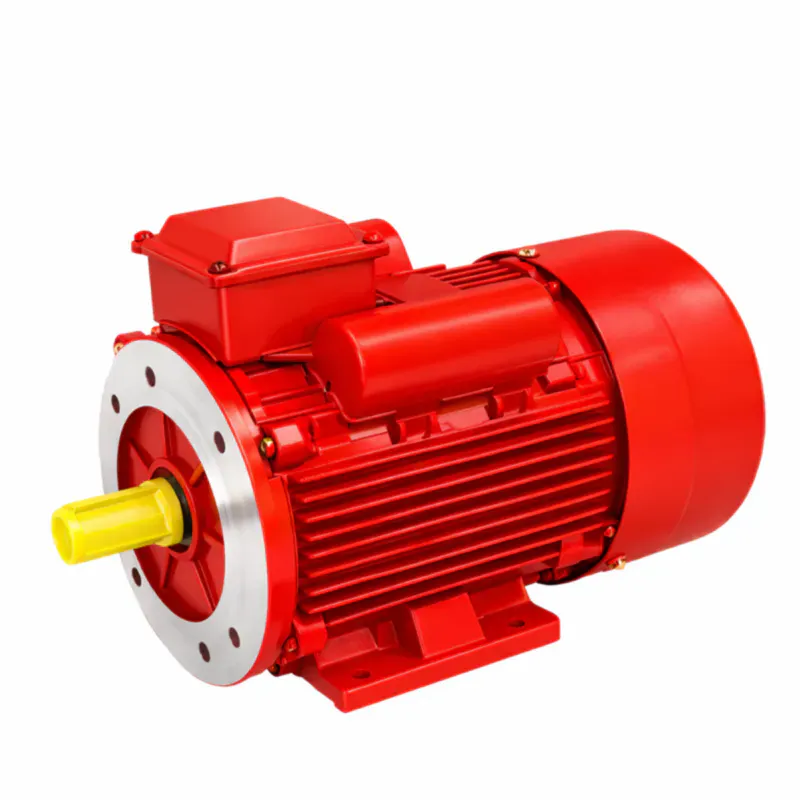
YEM Series Spindle Motor
Purpose-built drive motor for glass edging machines. Available in YEM-80 and YEM-90 frame sizes, 1.1–4 kW, IP56. Designed to integrate directly with the EP Series glass edging speed reducer as a factory-matched gearmotor assembly.
Frequently Asked Questions
Q1. What is the difference between a glass edging speed reducer and a standard gearbox, and why does a glass edging machine need one specifically?
A standard industrial gearbox reduces speed and multiplies torque, but is not designed for the precise spindle runout requirements of glass grinding. A glass edging speed reducer is purpose-built with output shaft bearings and machining tolerances that hold spindle face runout to 0.02 mm or less, a level of precision that standard gearboxes do not guarantee. Additionally, glass edging environments involve continuous coolant exposure, requiring IP56 or higher rated sealing not typically found on general-purpose reducers.
Q2. Which glass edging gearbox reducer configuration is best suited for high-production architectural glass lines running multiple shifts in North America?
For multi-shift architectural glass production, the priority parameters are thermal stability, bearing life under continuous load, and ease of maintenance access. The EP Series in the YEM-90 frame with a helical gear reducer is the preferred configuration for spindle stations operating at the higher end of the power range (2.2–4 kW). Helical gearing provides lower noise and higher efficiency than worm configurations, reducing operating temperature and extending oil life. Additionally, specify the oil-bath lubricated reducer variant for multi-shift operation, as it provides better thermal management than grease-packed alternatives at sustained duty cycles.
Q3. How do I know which EP Series glass edging gear reducer motor is compatible with my existing straight-line edger spindle?
The key parameters needed for a compatibility match are: motor frame size (YEM-80 or YEM-90), power rating (kW), flange bolt pattern and diameter, output shaft diameter and keyway dimensions, and the existing spindle face runout specification from your machine manual. In most cases, a photograph of the existing glass edging machine spare parts motor nameplate and the spindle housing flange is sufficient for our engineers to confirm a match. Provide these details and we will identify the correct EP Series unit for your application.
Q4. What does IP56 mean on a glass edging machine motor, and is it required for all glass processing environments in the United States?
IP56 per IEC 60529 means the enclosure is dust-protected (first digit 5) and able to withstand powerful water jets from any direction (second digit 6). In a glass edging machine, coolant water is continuously sprayed onto the grinding wheels and glass surface. Standard TEFC motors (typically IP44 or IP54) can be damaged by this level of sustained water exposure over months of operation. While US regulations (OSHA, NEC) do not mandate a specific IP level for glass edging motors by name, the operational reality of the coolant environment makes IP56 or IP65 the practical minimum for reliable long-term service. Specifying a lower-rated glass edging machine motor replacement is a false economy.
Q5. What causes glass edging machine spindle vibration, and how does the EP Series Glass Edging Speed Reducer Motor address this in production environments?
Spindle vibration on a glass edger typically originates from three sources: imbalance in the motor rotor, gear mesh frequency in the reducer, and bearing preload loss over time. The EP Series addresses all three: the motor rotor is dynamically balanced to G2.5 or better grade; the gear set is manufactured and ground to low-noise DIN accuracy grades; and the output shaft bearings are preloaded and retained with positive locking arrangements that resist loosening during continuous-duty operation. The result is S-grade whole-machine vibration — measurably lower than what is achieved with unmatched motor-reducer combinations.
Q6. Can the EP Series Glass Edging Speed Reducer Motor be used with a variable frequency drive (VFD) for speed adjustment on the production line?
Yes. The YEM-series motor is wound with class F insulation and is compatible with VFD operation when used within the motor's constant torque speed range. When operating a glass edging reducer gearbox motor on a VFD, ensure the carrier frequency is set to suppress common-mode voltage that can damage winding insulation — typically 2–4 kHz for motors in this power range. Also verify that the VFD output filter (dV/dt filter or sine filter) is used if cable lengths between the VFD and motor exceed 10 metres, to protect the motor winding insulation from voltage spikes.
Q7. What is the cost of downtime when a glass edging reducer motor fails, and how can I reduce emergency replacement lead times for my facility?
A single spindle failure on a multi-station glass edging line can halt the entire production sequence. For a mid-size US architectural glass fabricator running two shifts, even four hours of unplanned downtime can represent thousands of dollars in lost output and potential customer penalties. The most effective mitigation is maintaining at least one spare EP Series Glass Edging Speed Reducer Motor unit on the shelf for your most critical spindle positions. We can provide a recommended spare parts list based on your machine configuration, reducing reliance on emergency lead times.
Q8. Are EP Series glass edging gear reducer motors compliant with US DOE motor energy efficiency requirements for industrial applications?
US DOE 10 CFR Part 431 mandates NEMA Premium (IE3 equivalent) efficiency for general-purpose three-phase motors in the covered horsepower range. The YEM-series motors used in the EP glass edging speed reducer and motor units are designed to meet IE3 efficiency levels. Buyers sourcing motors for US installations are advised to verify the motor nameplate efficiency at the rated power point and confirm IE3 compliance for regulatory purposes. Our documentation package includes motor efficiency data sheets to support your procurement compliance review.
Editor: PXY