Редуктор и двигатель для автомойки EP-Car Wash Machine
Редуктор EP-Car Wash Machine Gearbox Reducer — это специально разработанная червячная передача с классом защиты IP67, обеспечивающая передаточные числа от 15 до 60 и выходную мощность от 0,25 кВт до 0,75 кВт — созданная специально для работы в суровых условиях высокой влажности автоматизированного оборудования для автомоек. Редукторные рамы EP-Car Wash Machine Gearbox Reducers RV050 и RV063 в сочетании с фланцами двигателя FS-71/B14 и FS-80/B14 образуют полностью герметичный, коррозионностойкий блок, сертифицированный по классу защиты от коррозии C4. Благодаря крепежным элементам из нержавеющей стали и классу работы S3 в режиме прерывистого режима, этот редуктор для автомоек является одним из наиболее проверенных решений, доступных операторам оборудования для автомоек и производителям оригинального оборудования в Северной Америке и за ее пределами.
1. Редуктор для автомойки EP-Car Wash Machine
Разработанный для непрерывных циклов мойки, воздействия химических веществ и постоянной влажности, характерных для коммерческих автомоек, редуктор EP-Car Wash Machine Gearbox Reducer объединяет прецизионный червячный редуктор со специально подобранным двигателем в одном компактном узле. Независимо от того, используете ли вы передвижную мойку, конвейерную туннельную систему или автоматическую установку в боксе, этот редуктор идеально подойдет. Оборудование для автомойки, редуктор скорости Обеспечивает надежное и не требующее сложного технического обслуживания увеличение крутящего момента в течение каждой смены.
| Параметр | Спецификация |
|---|---|
| Модель редуктора | RV050, RV063 |
| Диапазон передаточных чисел | 15 : 1 — 60 : 1 |
| Серия моторов | FS-71/B14, FS-80/B14 |
| Диапазон мощности | 0,25 кВт — 0,75 кВт |
| Степень защиты | Степень защиты IP67 (редуктор и двигатель) |
| Рабочий цикл | S3 (Прерывистый периодический) |
| Антикоррозионный класс | C4 (специальная обработка поверхности) |
| Крепежный материал | Вся фурнитура изготовлена из нержавеющей стали. |
| Крепление двигателя | Крепление фланца B14 |
2. Пять ключевых фактов — Средство для снижения расхода воды в автомойке
1. Полная герметизация по стандарту IP67: Как корпус редуктора, так и корпус двигателя имеют степень защиты IP67, что означает, что полное погружение в воду на глубину до 1 метра на 30 минут не причиняет повреждений — это абсолютное требование для условий мойки под давлением.
2. Широкий выбор передаточных чисел: Доступные передаточные числа в диапазоне от 15:1 до 60:1 позволяют инженерам точно настраивать частоту вращения выходного вала в зависимости от скорости вращения щеток, приводов конвейерных цепей и приводов насосов высокого давления в рамках одного семейства продуктов.
3. Обработка поверхности класса коррозионной стойкости C4: Специальное химически стойкое покрытие всех наружных поверхностей соответствует категории C4 стандарта ISO 12944 для промышленных сред с высокой влажностью и слабой коррозионной активностью — идеально подходит для случаев ежедневного использования щелочных моющих средств и хлорированных ополаскивателей.
4. Номинальный рабочий цикл S3: Режим работы S3 (прерывистый периодический) учитывает схемы запуска и остановки конвейеров автоматизированных автомоек и гарантирует, что температура обмотки двигателя остается в допустимых пределах в течение непрерывных циклов на протяжении всего рабочего дня.
5. Вся фурнитура выполнена из нержавеющей стали: Все крепежные элементы — болты, гайки и шайбы — изготовлены из нержавеющей стали, что исключает коррозию и заклинивание, характерные для стандартных крепежных элементов из углеродистой стали в условиях мойки.
3. Что такое редуктор для автомойки EP-Car Wash Machine?
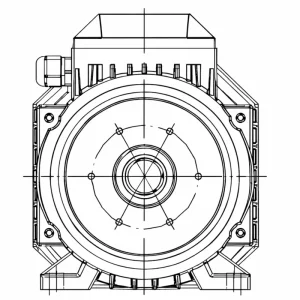
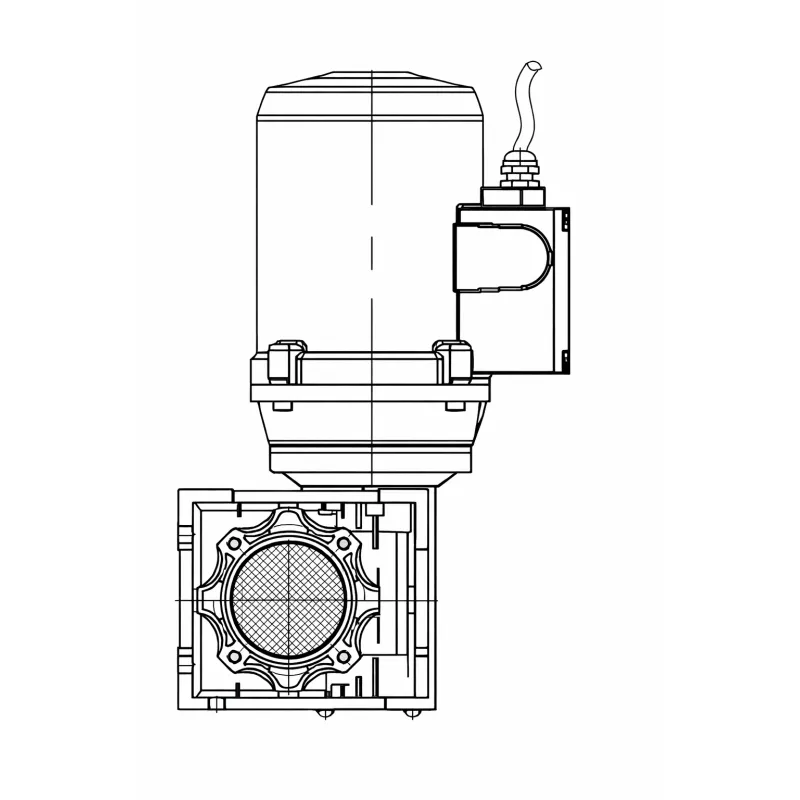
Редуктор EP-Car Wash Machine Gearbox Reducer представляет собой компактное интегрированное приводное решение, объединяющее червячный редуктор с асинхронным двигателем стандарта IEC в едином фланцевом соединении. В редукторе используется червячная передача серии RV — либо RV050, либо более крупная RV063 — изготовленная из высокопрочного сплава с прецизионным бронзовым червячным колесом, обеспечивающим бесшумную передачу мощности с регулировкой люфта. Двигатель, относящийся к сериям FS-71/B14 или FS-80/B14, крепится непосредственно к входному патрубку редуктора через фланец B14, что исключает несоосность муфты и уменьшает габариты по сравнению с отдельными установками редуктора и двигателя.
Отличительной особенностью этого редуктора для автомойки от стандартных промышленных редукторов является комплексная защита от воздействия окружающей среды, применяемая к каждому устройству. Стандарт герметизации IP67 означает, что вода, пена, моющие средства и вода для ополаскивания под высоким давлением не могут попасть в электрические или механические камеры во время нормальной работы. Антикоррозийное покрытие класса C4 специально разработано для противостояния щелочным и кислотным химическим смесям, используемым в системах туннельной мойки.
Инженеры, выбирающие редукторы для автомоечных машин на рынках Северной Америки, Европы и Азиатско-Тихоокеанского региона, неизменно выделяют три ключевых фактора: степень защиты IP, коррозионная стойкость и надежная работа в режиме S3. Редуктор EP-Car Wash Machine Gearbox Reducer отвечает всем трем требованиям, что делает его предпочтительным выбором как для производителей автомоечного оборудования, так и для покупателей запасных частей на вторичном рынке. Благодаря мощности от 0,25 кВт до 0,75 кВт, охватывающей большинство применений с приводом щеток и легкими конвейерами, он подходит для большинства автоматических автомоечных комплексов, находящихся в настоящее время в коммерческой эксплуатации.
4. Как работает ограничитель потока воды в автомойке?
Понимание принципа работы червячный редуктор для автомойки В основе работы оборудования лежит базовая механика червячных передач. Вал двигателя приводит в движение закаленный стальной червяк (винтовой механизм), который зацепляется с червячным колесом из фосфорной бронзы, установленным на выходном валу. Поскольку зуб червяка должен пройти всю окружность колеса за каждый оборот выходного вала, достигается значительное снижение скорости за один этап. Корпуса RV050 и RV063 в этой серии поддерживают передаточные числа от 15:1 до 60:1, что означает, что при типичной синхронной скорости вращения двигателя 1400 об/мин (50 Гц) или 1700 об/мин (60 Гц) выходной вал вращается со скоростью от 23 до 93 об/мин — идеально подходящей для низкоскоростных, высокомоментных требований к щеточным узлам автомоек и цепным конвейерам.
Фланцевое соединение B14 между двигателем серии FS и редуктором RV обеспечивает передачу осевых усилий на входном валу непосредственно на корпус редуктора, а не через гибкую муфту, которая в противном случае привела бы к люфту и механическим потерям. Материал червячного колеса — фосфористая бронза, зацепляющаяся с закаленным червяком из легированной стали — обеспечивает самосмазывающиеся характеристики и низкий уровень шума, что крайне важно в моечных боксах, ориентированных на клиентов, где уровень шума влияет на удобство использования. Система смазки в масляной ванне внутри герметичного корпуса непрерывно покрывает сетку червяка, продлевая срок службы и минимизируя накопление тепла даже во время высокочастотных рабочих циклов S3, характерных для моечных комплексов туннельного типа с большим объемом работы.
Встроенная в червячные передачи способность к самоблокировке при передаточном числе выше приблизительно 20:1 обеспечивает дополнительное преимущество в плане безопасности: щетка или конвейер не могут быть приведены в движение внешними силами при отключении двигателя, что снижает риск самопроизвольного разгона во время аварийных остановок. Такое сочетание увеличения крутящего момента, самоблокировки, компактной одноступенчатой конструкции и герметизации IP67 делает червячную передачу предпочтительным выбором для редукторов в автомойках по всему миру.
5. Пять ключевых преимуществ этого редуктора для автомойки.
1. Герметизация с двойной защитой IP67
Как корпус редуктора, так и корпус двигателя независимо друг от друга соответствуют стандарту IP67 — водонепроницаемость до глубины 1 метра — поэтому даже прямое промывание приводного механизма под высоким давлением не может вызвать электрических неисправностей или механического загрязнения. Это более высокий стандарт, чем IP54 или IP55, обычно предлагаемые для универсальных промышленных редукторов, и это делает редуктор EP-Car Wash Machine Gearbox Reducer подходящим для модернизации старых линий автомоек, где нарушения герметичности исторически приводили к неоднократным перегораниям двигателей.
2. Антикоррозионная система обработки поверхностей ISO 12944 C4
Специально обработанные наружные поверхности соответствуют стандарту ISO 12944 категории C4, охватывающему среды с высокой влажностью и периодическим воздействием промышленных химикатов. В автомойках — щелочная предварительная обработка, кислотное средство для очистки колес, ополаскиватель и пена с высоким pH — наружные покрытия на необработанных растворителях обычно выходят из строя в течение 12–18 месяцев. Система C4 разработана для обеспечения долговечности более 15 лет в таких условиях, что напрямую снижает капитальные затраты на замену оборудования.
3. Гибкий выбор соотношения (от 15:1 до 60:1)
Единая продуктовая платформа, охватывающая передаточные числа от 15 до 60, означает, что одно семейство артикулов может включать приводы щеток, приводы конвейерных цепей, приводы насосов высокого давления и приводы колебаний боковых щеток — это упрощает управление запасами запасных частей для операторов автомоек с несколькими площадками и дилеров оборудования. Возможность переключения передаточных чисел при сохранении той же рамы двигателя и редуктора снижает инженерные затраты при изготовлении машин на заказ.
4. Крепежные элементы из нержавеющей стали — отсутствие коррозии и заклинивания.
Все резьбовые соединения в устройстве изготовлены из нержавеющей стали марок A2 или A4, что исключает коррозионное заедание, которое часто приводит к необходимости разрушительного извлечения болтов из углеродистой стали в условиях повышенной влажности. Это напрямую приводит к сокращению трудозатрат на техническое обслуживание — техник может выполнить полную проверку, замену уплотнений или замену двигателя за считанные минуты, а не часы, что напрямую снижает общую стоимость владения. мощное оборудование для мойки автомобилей с редуктором скорости.
5. Совместимость с рабочим циклом S3
Класс теплового цикла S3 гарантирует, что класс изоляции и тепловая конструкция двигателя откалиброваны для повторяющихся циклов запуска и остановки автоматизированных автомоек. В отличие от двигателей непрерывного действия (S1), которые могут быть теплонепроницаемыми при циклической работе, двигатель S3 поддерживает безопасную температуру обмоток на протяжении сотен циклов мойки автомобилей в день. Это предотвращает преждевременное разрушение изоляции и обрыв обмоток, которые могут вывести из строя моечную станцию туннельного типа с большим объемом работы в часы пик.
6. Технические характеристики редуктора для автомойки
Выбор материалов для редуктора коробки передач автомойки — это не второстепенный фактор, а главное инженерное преимущество в агрессивных средах. В конструкции редуктора коробки передач автомойки EP-Car Wash Machine Gearbox Reducer используются следующие материалы в основных компонентах:
| Компонент | Материал | Стандарт / Лечение |
|---|---|---|
| Корпус редуктора | Чугун / алюминиевый сплав | Специальное антикоррозионное покрытие поверхности C4 |
| Червячная передача (колесо) | Фосфорная бронза | Высокоточная механическая обработка; низкое трение, самосмазывающиеся свойства. |
| Червячный вал | Закаленная легированная сталь | Твердость поверхности HRC 56–62 |
| Выходной вал | Вариант из углеродистой стали / нержавеющей стали | Закаленные индукционным методом шейки подшипника |
| Рама двигателя | Алюминиевый сплав | Анодирование + антикоррозионное покрытие C4 |
| Обмотка двигателя | Медная обмотка с изоляцией класса F | Термостойкость 155°C; влагопропитанный лак. |
| Сальники вала | Уплотнительные манжеты из FKM (Viton). | Химически стойкий, рассчитан на температуру до 200°C. |
| Все крепежные изделия | Нержавеющая сталь A2/A4 | ISO 3506; полная коррозионная стойкость |
| Смазка | Синтетическое трансмиссионное масло (червячного типа) | ISO VG 220 минеральный или PAO синтетический |
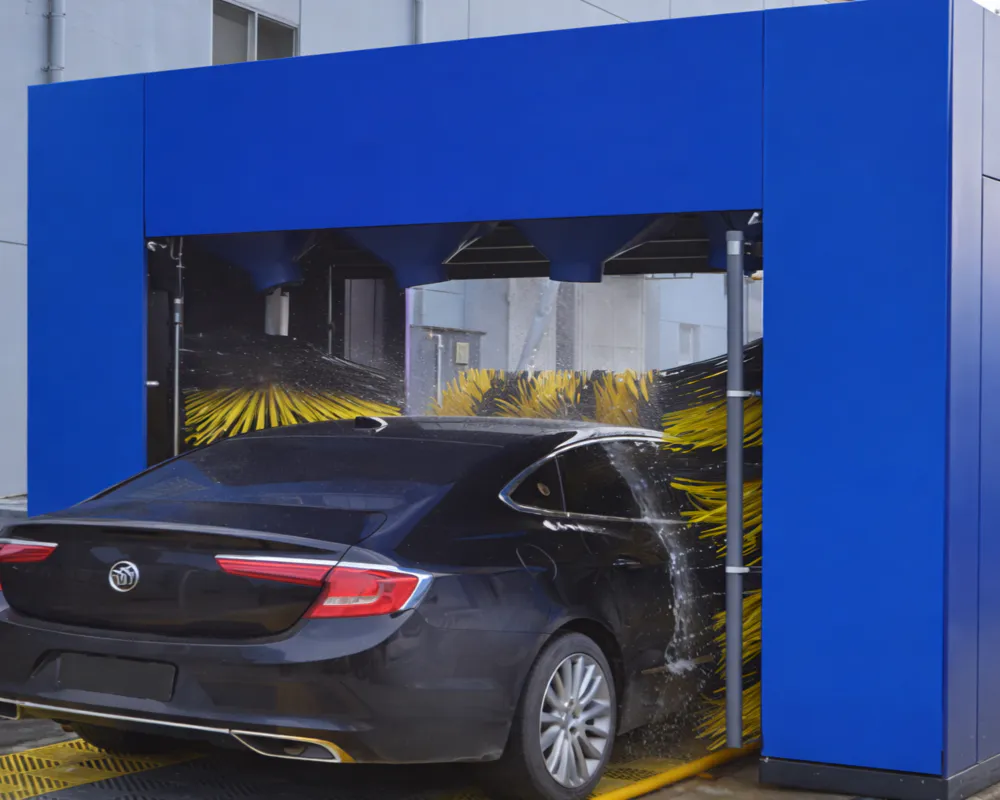
7. Соответствие мировым нормативным требованиям к редукторам для автомоечных машин.
Инженеры по закупкам и операторы объектов, ответственные за определение технических характеристик. редуктор скорости конвейера автомойки Необходимо соблюдать множество национальных и региональных правил, регулирующих использование электродвигателей, механических приводов и экологические нормы. Редуктор для автомойки EP-Car Wash Machine Gearbox Reducer разработан с учетом этих требований на основных рынках сбыта.
Соединенные Штаты: Двигатели, предназначенные для коммерческого использования в автомойках США, соответствуют стандартам NEMA (Национальная ассоциация производителей электрооборудования) — в первую очередь, NEMA MG 1 для обозначения характеристик двигателя и корпуса. Степень защиты IP67 эквивалентна защите NEMA типа 6. Управление по охране труда и технике безопасности США (OSHA) требует установки защитных кожухов на открытых вращающихся валах в соответствии с 29 CFR 1910.212; компактная, закрытая конструкция этого интегрированного редукторно-двигательного блока уменьшает количество открытых точек, требующих отдельной защиты. Закон EISA 2007 (Закон об энергетической независимости и безопасности) устанавливает требования к энергоэффективности двигателей мощностью 1 л.с. и выше; при мощности менее 1 л.с. (0,25–0,75 кВт) проектирование энергоэффективности регулируется добровольными стандартами NEMA Premium, к которым и стремится двигатель серии FS. В Калифорнии (Раздел 24) и Нью-Йорке действующие на уровне штатов правила также вводят все более строгие нормы водопотребления и водоотведения для коммерческих автомоек, что косвенно стимулирует спрос на надежные приводные системы, которые минимизируют незапланированные простои, связанные с растратой воды.
Евросоюз: Директива ЕС по машиностроению (2006/42/EC) требует, чтобы механические узлы, включая редукторы с двигателями, используемые в автоматизированном оборудовании, имели маркировку CE, подтверждающую соответствие основным требованиям охраны труда и техники безопасности. К компонентам двигателя применяются Директива по низковольтному оборудованию (2014/35/EU) и Директива по электромагнитной совместимости (2014/30/EU). RoHS 2 (2011/65/EU) ограничивает использование опасных веществ в электрооборудовании. Регламент ЕС по экодизайну 2019/1781, вступивший в силу в июле 2023 года, устанавливает минимальный класс эффективности IE2 для односкоростных двигателей переменного тока мощностью от 0,12 кВт, а для двигателей мощностью от 0,75 кВт требуется класс IE3 — это напрямую относится к диапазону мощности данного изделия. Серия редукторов EP-Car Wash Machine Gearbox Reducer разработана для соответствия как минимум классу IE2, а для поставок в ЕС доступны варианты, совместимые с классом IE3, мощностью от 0,75 кВт.
Германия: Немецкие промышленные стандарты, регулируемые DIN (Deutsches Institut für Normung), оказывают значительное влияние на весь машиностроительный сектор ЕС. Стандарт DIN EN 60034 охватывает вращающиеся электрические машины. Немецкие правила Arbeitsstättenverordnung (ArbStättV) в отношении оборудования на рабочем месте устанавливают дополнительные требования по контролю шума и вибрации, которые обеспечивает малошумная конструкция червячной передачи. Немецкие операторы автомоек все чаще указывают в качестве требований VDE 0530 двигатели, соответствующие требованиям VDE, для обеспечения соблюдения законодательства об ответственности работодателя.
Великобритания: После Brexit в Великобритании действуют требования к маркировке UKCA, которые в значительной степени соответствуют требованиям ЕС CE. Соответствие UKCA распространяется на двигатели и механические приводы, размещенные на рынке Великобритании после 1 января 2023 года. BS EN 60034 является эквивалентным национальным стандартом для вращающихся механизмов, а степени защиты IP соответствуют BS EN 60529.
Австралия / Новая Зеландия: Правила электромонтажа AS/NZS 3000 и знак соответствия нормативным требованиям (RCM) регулируют электрооборудование. Австралийские правила техники безопасности на рабочем месте в соответствии с Законом о безопасности труда 2011 года требуют, чтобы оборудование соответствовало стандарту AS 4024 для обеспечения безопасности оборудования — закрытая, защищенная конструкция редуктора EP-Car Wash Machine Gearbox Reducer способствует соблюдению этого требования. В Новой Зеландии аналогичные требования предъявляются к оборудованию в соответствии с Законом о безопасности труда 2015 года.
Канада: Стандарты CSA (Канадской ассоциации стандартов) применяются к электродвигателям и приводам. Стандарт CSA C22.2 № 100 охватывает двигатели, и продукция с маркировкой CE из ЕС, как правило, признается в рамках соглашений о взаимном признании. Провинциальные законы об охране труда и технике безопасности устанавливают требования к ограждениям и доступу для технического обслуживания, аналогичные требованиям OSHA в США.
Примечание: Нормативные требования постоянно меняются. Перед окончательным утверждением спецификации и закупкой всегда проверяйте действующие стандарты у квалифицированного местного инженера по соблюдению нормативных требований. Приведенные здесь параметры отражают общедоступные стандарты на дату публикации.
8. Сценарии применения редуктора для автомойки
Система редуктора EP-Car Wash Machine Gearbox Reducer предназначена для прямого привода основных механических подсистем, используемых в коммерческих и промышленных автомойках. Каждый из приведенных ниже сценариев представляет собой проверенное на практике применение.
Конвейерные приводы для туннельной автомойки
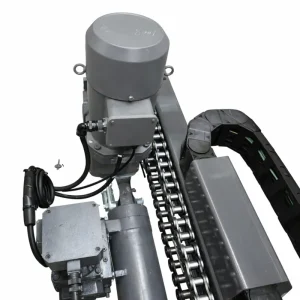
В туннельных автомойках автомобили перемещаются через моечный бокс по непрерывно движущейся конвейерной цепи. редуктор привода конвейерной цепи автомойки Необходимо поддерживать постоянный крутящий момент при очень низких оборотах выходной цепи — обычно от 8 до 20 об/мин — в течение нескольких часов подряд. Для этого применения предпочтительным является модель RV063 с передаточным отношением 60:1 и двигателем мощностью 0,75 кВт, обеспечивающая плавное зацепление цепи и допуск S3, необходимый для циклов запуска-нагрузки, вызванных изменением расстояния между транспортными средствами на конвейере.
Системы привода вращающихся щеток
Верхние, боковые и колесные щетки в автоматических автомойках требуют контролируемого вращения — обычно от 40 до 80 об/мин — с постоянным крутящим моментом независимо от геометрии поверхности автомобиля. Рама RV050 с передаточным отношением 20:1 или 30:1 обеспечивает идеальный баланс скорости и крутящего момента для работы щеток, а герметизация IP67 гарантирует, что брызги воды из соседних форсунок высокого давления не попадут в двигатель или редуктор во время активных циклов очистки.
Системы автоматической мойки с опрокидыванием/в боксе
В автоматических (перекатывающихся) автомойках внутри боксов используется портал, который перемещается вперед и назад над неподвижным автомобилем. Приводные двигатели должны запускаться и останавливаться сотни раз в день, выдерживая при этом воздействие воды, пены и химических брызг со всех сторон. Поверхностное покрытие C4 и крепежные элементы из нержавеющей стали особенно важны в этом применении, поскольку приводной блок заключен в раму моечного портала и к нему трудно получить доступ для обычной очистки между циклами.
Приводы для насосов высокого давления и дозаторов химических реагентов
Перистальтические дозирующие насосы для химических веществ и шестеренчатые насосы низкого давления, используемые для дозирования моющих средств и ополаскивателей в автоматических системах мойки автомобилей, требуют небольших герметичных редукторов с точным регулированием передаточного отношения. Двигатель FS-71/B14 мощностью 0,25 кВт в паре с RV050 с передаточным отношением 40:1 или 60:1 обеспечивает компактный, изначально дозированный привод, который намного надежнее, чем системы дозирования с электромагнитным приводом в условиях интенсивной коммерческой мойки.
Предварительные ступени привода ременной передачи вентилятора сушилки
В некоторых туннельных автомойках для зон сушки используются воздуходувки с ременным приводом. Приводной двигатель механизма натяжения или колебания ремня должен работать в тех же суровых условиях, что и все остальные приводы моечных боксов. Герметичная, коррозионностойкая конструкция редуктора для автомойки делает его подходящим для этого вспомогательного применения, где надежность и минимальное техническое обслуживание являются приоритетами для операторов автомоек, стремящихся максимизировать пропускную способность.
Приводы оборудования в зонах самообслуживания
В автомойках самообслуживания используются моторизованные устройства для натяжения шлангов, приводы щеток с монетоприемником и автоматизированные системы нанесения пены, преимуществами которых являются компактные размеры комбинации RV050/FS-71. В условиях самообслуживания, где оборудование может работать без присмотра в течение длительного времени, надежная герметизация и не требующая обслуживания червячная передача этой системы особенно ценны. редуктор и двигатель для автомойки Сборка снижает вмешательство оператора и сводит к минимуму простои, влияющие на выручку.

9. Руководство по совместимости и замене.
При поиске поставщика Замена редуктора скорости конвейера автомойки При выборе привода для нового оборудования совместимость размеров имеет важное значение. Корпуса RV050 и RV063 соответствуют стандартным размерам фланцев и валов IEC, что делает их взаимозаменяемыми с другими червячными редукторами серии RV, выпускаемыми различными производителями. Интерфейс фланца B14 на корпусах двигателей FS-71 и FS-80 представляет собой стандартный монтажный шаблон IEC 60072-1, совместимый с двигателями любого производителя, имеющими одинаковое обозначение корпуса.
| Рамка | Диаметр выходного вала. | Размер крепления фланца | Крепление на ножке (B3) | Совместимая рама двигателя |
|---|---|---|---|---|
| RV050 | 25 мм | 120 × 120 мм | Да (необязательно) | IEC 71 (FS-71/B14) |
| RV063 | 32 мм | 140 × 140 мм | Да (необязательно) | IEC 80 (FS-80/B14) |
Редукторные редукторы серии EP-Car Wash Machine разработаны как прямой эквивалент стандартных червячных редукторов RV, широко используемых в существующем оборудовании для автомоек. Установка в существующие щеточные приводные узлы или приводные коробки конвейеров обычно не требует модификации рамы — необходимо лишь изменить проводку двигателя и крепежные элементы. Для случаев, требующих экстренного вмешательства. замена редуктора автомойкиУстройства поставляются в короткие сроки, что позволяет минимизировать время простоя туннеля.
10. Как это установить?
Правильная установка Оборудование для автомойки, редуктор скорости Это необходимо для достижения заявленного уровня герметичности IP67 и ожидаемого срока службы. Выполните следующие шаги:
Шаг 1 — Проверка технических характеристик: Перед началом установки убедитесь, что передаточное число, номинальная мощность, напряжение, частота и диаметр выходного вала приобретенного устройства соответствуют требованиям вашей машины. Проверьте уровень масла в редукторе — устройства поставляются с предварительно заправленной смазкой для указанного положения установки (горизонтальный или вертикальный выходной вал).
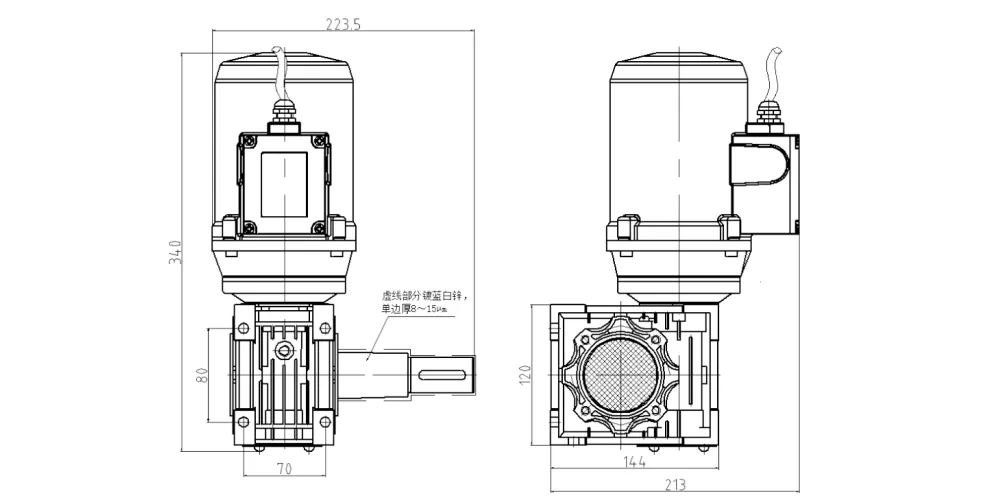
Шаг 2 — Место установки: Установите редуктор в положение, указанное на паспортной табличке устройства. Червячные редукторы чувствительны к положению для смазки; установка устройства в положении, отличном от предварительно заполненного, может привести к недостаточной смазке червячной передачи. Для получения информации о доступных вариантах монтажных опор или фланцев обратитесь к чертежу с размерами.
Шаг 3 — Муфта или прямой привод: При соединении выходного вала с ведомым компонентом (ступицей щетки, звездочкой или муфтой) используйте шпонку соответствующего размера из комплекта поставки. Избегайте осевой нагрузки, превышающей номинальную несущую способность подшипника. В тех случаях, когда полностью исключить несоосность валов невозможно, рекомендуется использовать гибкую муфту между выходным валом и ведомым компонентом.
Шаг 4 — Подключение к электросети: Подключите двигатель к местной электросети в соответствии со схемой клеммной колодки на паспортной табличке. Проверьте напряжение, последовательность фаз и настройки реле перегрузки. Используйте соответствующие кабельные вводы класса защиты IP67 на клеммной коробке двигателя, чтобы обеспечить соответствие всей установки стандарту IP67.
Шаг 5 — Проверка герметичности: После установки осмотрите все поверхности прокладок, кромки сальников вала и фитинги кабельных вводов. Если устройство было разобрано для осмотра, нанесите на соединение крышки редуктора рекомендованный силиконовый герметик. Перед подключением к приводному механизму в условиях полной рабочей нагрузки выполните кратковременный запуск без нагрузки, чтобы подтвердить правильное направление вращения.
Интервалы технического обслуживания: Проверяйте сальники вала каждые 12 месяцев. Меняйте трансмиссионное масло после первых 500 часов работы и каждые 2000 часов после этого (или ежегодно, в зависимости от того, что наступит раньше), используя червячное масло ISO VG 220 или рекомендованный производителем синтетический аналог. Ежеквартально очищайте наружные поверхности корпуса, чтобы предотвратить накопление коррозионных химических веществ на покрытии C4.
11. О нас
Мы являемся специализированным производителем промышленных приводных систем с собственной линейкой продукции, разработанной для сектора оборудования для автомоек. Наша инженерная команда обладает многолетним опытом в области управления движением, проектирования редукторов, интеграции двигателей и технологий коррозионностойкого покрытия. Серия редукторов EP-Car Wash Machine Gearbox Reducer была разработана в ответ на отзывы операторов оборудования для автомоек и производителей оригинального оборудования.
Мы поставляем как продукцию для OEM-производителей, так и запасные части для вторичного рынка. Возможна индивидуальная настройка небольших партий — нестандартные передаточные числа, альтернативные конфигурации выходного вала и варианты напряжения/частоты — при поддержке нашей инженерной группы. Дистрибьюторы и дилеры в США, Канаде, Европе и Австралии могут воспользоваться соглашениями о складском хранении, которые позволяют оперативно заменять редукторы в автомойках, что особенно важно для предприятий с большим объемом мойки автомобилей.
Мастер-класс


13. Сопутствующие товары: Комплексные решения для приводных систем
Моторы

Часто задаваемые вопросы
В1. Какое передаточное число следует выбрать для привода щеток автомойки в туннельной системе в Соединенных Штатах?
Для большинства коммерческих автомоек туннельного типа в США передаточное отношение 20:1–30:1 обеспечивает скорость вращения 40–70 об/мин, которую рекомендуют производители щеток для оптимального образования пены и безопасности лакокрасочного покрытия автомобиля. Если ваш двигатель работает на частоте 60 Гц (1700 об/мин в синхронном режиме), передаточное отношение 30:1 обеспечивает приблизительно 57 об/мин на ступице щетки — это распространенный и хорошо зарекомендовавший себя вариант. Для более медленного, интенсивного контакта щетки с более тяжелыми автомобилями производитель щеток может предпочесть передаточное отношение 40:1. Всегда уточняйте рекомендуемую производителем щеток скорость вращения ступицы перед окончательным выбором передаточного отношения.
В2. Чем степень защиты IP67 этого редуктора скорости для автомойки отличается от стандартных промышленных редукторов?
Стандартные промышленные редукторы общего назначения обычно имеют степень защиты IP54 или IP55 — пыленепроницаемость и защита от брызг воды. IP67, напротив, обеспечивает полную защиту от попадания пыли и от непрерывного погружения в воду на глубину до 1 метра в течение 30 минут. В условиях автомойки, где системы ополаскивания под высоким давлением (50–150 бар) направляют воду на поверхности автомобилей, и где брызги воды регулярно попадают на расположенное рядом приводное оборудование, разница между IP55 и IP67 означает разницу между приводным механизмом, который прослужит более 10 лет, и тем, который выйдет из строя из-за повреждения влагой в течение 18 месяцев. Редуктор EP-Car Wash Machine Gearbox Reducer обеспечивает степень защиты IP67 как для корпуса редуктора, так и для корпуса двигателя независимо друг от друга.
В3. Что на самом деле означает антикоррозионная маркировка C4 на редукторе коробки передач для автомойки с точки зрения долговечности?
В соответствии со стандартом ISO 12944 категория C4 определяет среды с «высокой коррозионной активностью», включая промышленные объекты с высокой влажностью и умеренным воздействием химических веществ. Для редуктора механизма мойки автомобилей это означает, что система поверхностного покрытия протестирована и рассчитана на устойчивость к воздействию щелочных химикатов для предварительной обработки (pH 10–12), кислотных очистителей колес (pH 2–4), остатков дорожной пленки, содержащей соль, на автомобилях и постоянной высокой влажности. Система покрытия категории C4 обычно состоит из конверсионной грунтовки и прочного верхнего слоя, рассчитанного на 15-летнюю долговечность в этих условиях. Редукторы со стандартным промышленным лакокрасочным покрытием могут демонстрировать видимую ржавчину и отслоение краски в течение 2–3 лет в условиях мойки.
В4. В чем заключаются основные различия между рамами RV050 и RV063 при выборе редуктора для автомойки?
Обозначения RV050 и RV063 указывают на межосевое расстояние червячной передачи — приблизительно 50 мм и 63 мм соответственно. Модель RV063 имеет больший размер рамы и обеспечивает более высокий номинальный крутящий момент, больший диаметр выходного вала (32 мм против 25 мм у RV050) и, соответственно, более мощный двигатель (FS-80/B14 против FS-71/B14). Для большинства применений в системах привода щеток автомоек достаточно модели RV050 мощностью 0,25–0,55 кВт. Для цепных приводов конвейеров в полнотуннельных автомойках, где цепь должна выдерживать вес автомобиля плюс нагрузку от трения, стандартным выбором является модель RV063 мощностью 0,55–0,75 кВт. В случае сомнений обратитесь к техническим характеристикам производителя оборудования для автомоек или запросите расчет крутящего момента у нашей инженерной группы, указав длину конвейера, класс веса автомобиля и тип цепи.
Вопрос 5. Как часто следует менять трансмиссионное масло в редукторе машины для мойки автомобилей?
Первичную замену масла в новом редукторе для автомойки следует проводить после первых 500 часов работы, чтобы удалить металлические частицы, образовавшиеся в процессе приработки, с поверхностей нового червяка и колеса. Впоследствии замену масла следует производить каждые 2000 часов работы или ежегодно — в зависимости от того, какой интервал наступит раньше. В автомойках, где редуктор работает при повышенных температурах окружающей среды (что часто встречается в закрытых моечных боксах в летний период), рекомендуется сократить интервал до 1500 часов. Используйте масло для червячных передач ISO VG 220 с противозадирными присадками (EP) или синтетический аналог на основе полиальфаолефинов (PAO) для повышения термической стабильности и увеличения интервалов замены. Никогда не смешивайте минеральные и синтетические масла без полной замены и промывки корпуса.
В6. В чем разница между рабочим циклом S1 и S3, и какой из них является правильным для автоматического устройства для снижения расхода воды в автомойке?
S1 — это режим непрерывной работы: двигатель работает с постоянной нагрузкой неограниченно долго, пока не будет достигнуто тепловое равновесие. S3 — это режим прерывистой периодической работы, при котором двигатель чередует периоды фиксированной нагрузки и периоды покоя. В автоматизированных автомойках двигатели запускаются и останавливаются для каждого цикла работы автомобиля — типичный привод туннельной щетки может работать 2–3 минуты на каждый автомобиль с 30-секундной паузой между ними. Это классический режим работы S3. Двигатель, рассчитанный только на непрерывный режим работы S1, может фактически работать с меньшим нагревом в этом случае, поскольку у него есть периоды покоя, но система изоляции и конструкция обмоток двигателя S1 не обязательно оптимизированы для высоких пусковых токов, создаваемых частыми запусками. Двигатель с номинальным режимом работы S3 в редукторе EP-Car Wash Machine Gearbox Reducer разработан специально для такого режима запуска-остановки, с соответствующей изоляцией обмоток и тепловым запасом, позволяющим выдерживать сотни циклов в день без ускоренного старения.
В7. Можно ли использовать этот редуктор для автомойки с частотно-регулируемым приводом (ЧРП) для регулирования скорости вращения щеток?
Да, двигатели серии FS из этой линейки редукторов для автомоек совместимы с частотно-регулируемыми приводами (ЧРП). При выборе ЧРП убедитесь, что класс изоляции двигателя соответствует требованиям инвертора — изоляция класса F серии FS с влагопропитанным лаком обеспечивает достаточную защиту от скачков напряжения, генерируемых современными ЧРП с широтно-импульсной модуляцией. Для кабельных трасс длиной более 20 метров между ЧРП и двигателем рекомендуется использовать выходной фильтр со стороны двигателя (реактор dV/dt). Червячный редуктор механически совместим с входом с регулируемой скоростью; однако следует отметить, что при очень низких частотах ЧРП (ниже 15–20 Гц) охлаждение двигателя снижается, что требует либо отдельного вентилятора охлаждения, либо снижения номинальной мощности двигателя. Для щеток автомоек диапазон скоростей 30–60 Гц обычно покрывает все эксплуатационные требования без существенных тепловых проблем.
Редактор: PXY