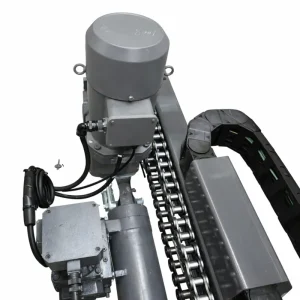
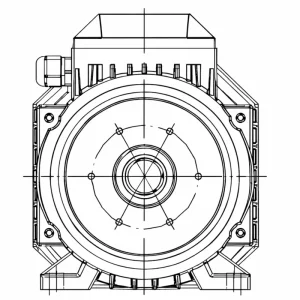
EP-Greenhouse Curtain Speed Reducer Motor
The EP-Greenhouse curtain speed reducer motor integrates a WJS series worm-helical speed reducer gearbox with a YS-series three-phase AC motor, achieving a 500:1 gear ratio that converts standard motor RPM into the low-speed, high-torque output needed to drive heavy shade or blackout curtain systems smoothly and reliably. A built-in travel limit switch (limit stop) automatically halts operation at preset open and closed positions, eliminating manual intervention and preventing mechanical overtravel in unattended greenhouse environments. With intelligent controller support and wireless remote capability, this automated greenhouse curtain gear reducer motor is ready for integration into modern smart greenhouse climate control systems used by commercial growers, nurseries, and research facilities across the United States and beyond.
1. Technical Specifications of EP-Greenhouse Curtain Speed Reducer Motor
The following table summarizes the core engineering parameters of the EP-Greenhouse Curtain Speed Reducer Motor. Specific output torque values and dimensional data should be confirmed against the applicable model datasheet before system design, as figures may vary with motor frame size and operating conditions.
| Parameter | Specification | Notes |
|---|---|---|
| Gearbox Model | WJS050 / WJS063 Series | Worm-helical compound speed reducer |
| Gear Ratio | 500 : 1 | High-ratio for low-speed, high-torque curtain drive |
| Motor Series | YS-71 / YS-80 / YS-90 | Three-phase AC induction motors |
| Power Range | 0.55 – 1.5 kW | Selectable per greenhouse size and curtain weight |
| Input Speed (Nominal) | 1400 – 1500 RPM | Depends on pole count and supply frequency |
| Output Speed (Nominal) | ~2.8 – 3.0 RPM | Based on 500:1 ratio at 1400 RPM input |
| Limit Switch | Built-in travel limit stop (end-stop actuator) | Enables automatic shut-off at open and closed positions |
| Control Mode | Intelligent controller + wireless remote | Supports smart greenhouse automation integration |
| Mounting | Bottom mount / Side mount (modular) | Flexible for various greenhouse frame configurations |
| Lubrication | Oil-bath (gear oil, ISO VG 220 or equivalent) | Check and top-up every 2,000 operating hours |
| Ambient Temperature | -10°C to +40°C (14°F to 104°F) | Standard operating range; cold-region variants available |
| Protection Class | IP44 (standard) / IP55 (enhanced option) | Suitable for humid greenhouse environments |
| Voltage | 220V / 380V AC, 50/60 Hz | Configurable for US (60 Hz) or international (50 Hz) supply |
| Design Feature | Modular gearbox-motor assembly | Individual components replaceable without full unit swap |
Note: Parameters may vary slightly by motor frame size and final configuration. Always confirm specifications against the applicable technical drawing before installation. Data above follows standard IEC/ISO mechanical engineering conventions.

2. Five Key Advantages of the EP-Greenhouse Curtain Speed Reducer Motor
A 500:1 speed reduction ratio provides exceptional output torque, enabling the gear motor to drive curtain systems spanning thousands of square feet — including heavy double-bar and blackout screen configurations — without strain or premature wear.
The integrated travel limit switch automatically cuts power when the curtain reaches its fully open or fully closed position. This prevents mechanical overtravel, reduces stress on drive components, and supports fully unattended operation — critical for round-the-clock commercial greenhouse cycles.
Compatible with intelligent greenhouse control systems, the EP-Greenhouse Curtain Speed Reducer Motor supports wireless remote operation — giving operators the flexibility to control curtain positions from anywhere on the farm floor without running additional wiring. This is particularly valuable in multi-span greenhouse facilities.
The modular gearbox-and-motor architecture means individual components — the speed reducer gearbox, the motor frame, or the limit switch assembly — can be replaced independently. Downtime during maintenance is kept to a minimum, a decisive advantage in production-critical growing environments.
With motor power options spanning 0.55 kW to 1.5 kW and compatibility with the YS-71, YS-80, and YS-90 motor frames, this greenhouse gear motor scales from compact hobby tunnels to large commercial multi-span facilities, covering the full spectrum of agricultural greenhouse curtain automation needs.
3. How the Greenhouse Curtain Speed Reducer Motor Works
At the core of the EP-Greenhouse Curtain Speed Reducer Motor— a configuration that delivers a considerably higher reduction ratio than a single-stage worm or helical gearbox alone. The input shaft, driven by the YS-series AC motor at standard line frequency (50 or 60 Hz), passes torque through a precision-ground helical gear stage before entering the worm drive. The worm wheel's self-locking geometry also provides an inherent braking effect, holding the curtain securely in position whenever the motor is de-energized — no separate brake mechanism is required for most installations.
The output shaft of the WJS gearbox connects directly to the curtain drive tube or roll bar. As the output shaft rotates at the reduced speed, it winds or unwinds the curtain fabric, opening or closing the greenhouse shade or blackout layer. Because the gear ratio is 500:1, even a relatively modest motor torque at the input is transformed into substantial pulling force at the curtain bar — enough to drive heavy, wet, or dust-laden curtain fabrics without stalling.
The travel limit switch — also called a limit stop or end-stop actuator — monitors the mechanical rotation count of the output shaft. When the preset number of rotations is reached (corresponding to the curtain's fully open or closed position), the switch breaks the motor circuit instantly. This automatic shutdown protects both the fabric and the mechanical components from overtravel damage. In smart-control configurations, the motor can also receive opening and closing commands via wireless signal from the greenhouse intelligent control system or a handheld remote transmitter, enabling full remote management of shade or blackout curtain positions.
4. Materials & Construction
Greenhouse drive equipment operates in some of agriculture's harshest ambient conditions — high humidity, temperature swings, fertilizer-laden air, and frequent washdowns. The EP-Greenhouse Curtain Speed Reducer Motor is constructed to withstand exactly these stresses over long service intervals.
Gearbox housing: The WJS series reducer casing is manufactured from precision aluminum die-cast alloy or high-grade cast iron (HT250), providing rigidity under load while keeping overall unit weight manageable for overhead or wall-mount installation. The alloy housing also dissipates gear-generated heat efficiently, extending lubricant and bearing service life in continuous-duty curtain cycling applications.
Gear elements: The helical gear stage uses carburized alloy steel (commonly 20CrMnTi or equivalent) with case hardness to HRC 58–62, ensuring the tooth flanks resist pitting and wear even when the gearbox runs at sustained low speeds under high radial load. The worm shaft is manufactured from carbon steel with induction hardening, while the worm wheel uses phosphor bronze (C93200 or similar) — a pairing that combines low friction, high load capacity, and long mesh life without requiring exotic lubricants.
Motor construction: The YS-series motor employs a Class F insulation winding with IP44 or IP55 sealing as standard. The motor frame is cast iron for frame sizes YS-80 and above, giving the unit structural stability when subjected to the vibration and side loads inherent in curtain-pulling applications. Bearing selection follows ISO standards, with shielded deep-groove ball bearings chosen for their combined axial and radial load capacity.
5. Application Scenarios
The EP-Greenhouse Curtain Speed Reducer Motor is at home in any growing environment that requires reliable, motorized curtain or vent actuation. Below are the primary use cases where this gear motor excels.
Commercial Shade Curtain Systems
In large-span horticultural greenhouses, shade curtains made of aluminized or diffuse woven fabrics reduce summer heat load and manage light intensity for sensitive crops. The EP-Greenhouse Curtain Speed Reducer Motor's 500:1 gear reducer delivers the torque needed to operate these wide, heavy curtains reliably across structures exceeding 100 ft in length — including multi-bay configurations common in US commercial flower and vegetable production.
Blackout Curtain Automation (Light Deprivation)
Photoperiod-sensitive crops — chrysanthemums, cannabis (where legally grown), strawberries, and certain herbs — require precise light deprivation cycles. The greenhouse blackout curtain gear reducer motor pulls opaque blackout fabric to exact positions, automatically stopping via the integrated limit switch to maintain precise light exclusion timing without staff intervention during nighttime shutdown cycles.
Roof Vent & Window Opening Systems
Natural ventilation via motorized roof ridgeline windows or gable vents is critical for temperature and humidity management in glass and polycarbonate greenhouses. The EP-Greenhouse Curtain Speed Reducer Motor drives rack-and-pinion or push-rod vent opening mechanisms, with the limit switch preventing over-extension of vent frames. The intelligent control option allows vent position to respond automatically to thermostat or humidity sensor inputs.
High Tunnel Sidewall Curtain Drive
High tunnels and hoop houses rely on roll-up sidewall curtains for passive ventilation. The high tunnel automated side curtain reducer motor replaces manual crank systems, allowing a single operator to control all sidewalls from a central or remote position. This is especially practical for long high tunnels in excess of 150 ft where manual operation is physically demanding and time-consuming.
Livestock & Poultry Ventilation Curtains
Curtain ventilation systems in broiler houses, dairy barns, and swine facilities demand robust, weather-sealed drive motors capable of operating year-round regardless of temperature or humidity. The EP-Greenhouse Curtain Speed Reducer Motor's sealed housing and high-torque output make it equally suited for agricultural building sidewall ventilation, an adjacent and growing market segment in the US Midwest and Southeast.
Research & Controlled Environment Agriculture (CEA)
University research greenhouses, plant growth chambers, and CEA facilities require repeatable, programmable curtain positioning for experimental lighting protocols. The EP-Greenhouse Curtain Speed Reducer Motor's smart controller compatibility and wireless remote capability support integration with research-grade environmental control platforms, enabling precise, data-logged curtain movement sequences for controlled crop experiments.

6. Regulatory & Compliance Considerations by Region
Gearbox and electric motor products used in commercial agricultural installations are subject to various regional safety, electrical, and environmental regulations. The following summary covers the major markets for the EP-Greenhouse Curtain Speed Reducer Motor series.
| Region / Market | Applicable Standards & Notes |
|---|---|
| United States | Electric motors must comply with NEMA MG-1 standards for motor performance and efficiency. The Energy Independence and Security Act (EISA 2007) mandates minimum motor efficiency levels for motors 1 HP and above. Agricultural electrical installations follow NEC (NFPA 70) Article 547 (Agricultural Buildings). UL listing or ETL certification is commonly required for motors in insured commercial facilities. OSHA 29 CFR 1910.147 lockout/tagout procedures apply during maintenance. |
| Canada | Motors must meet CSA C22.2 No. 100 requirements. The Canadian Electrical Code (CEC) Part I governs agricultural wiring. Energy efficiency requirements align broadly with DOE/EISA standards through Natural Resources Canada's (NRCan) MEPS program. |
| European Union | The EU Machinery Directive (2006/42/EC) and Low Voltage Directive (2014/35/EU) apply. Motors must carry CE marking. The EU Ecodesign Regulation (EU) 2019/1781 mandates IE3 (Premium Efficiency) for motors 0.75 kW and above from July 2021, with IE4 requirements for larger frames from 2023. EN ISO 12100 governs machinery safety risk assessment. RoHS Directive (2011/65/EU) restricts hazardous substances in electrical equipment. |
| United Kingdom | Post-Brexit, the UK retained equivalent motor efficiency standards under UK MEPS regulations. UKCA marking replaces CE for products placed on the GB market. BS 7671 (18th Edition IET Wiring Regulations) applies to electrical installations. |
| Australia & New Zealand | Motors must comply with AS/NZS 1359 and GEMS (Greenhouse and Energy Minimum Standards) Act 2012. E3 Program minimum energy performance standards (MEPS) apply. Electrical safety mark (RCM) required for market entry. |
| Brazil | INMETRO compulsory certification required for electric motors. ABNT NBR 17094 covers three-phase induction motors. PROCEL ELETROBRAS energy labeling program promotes IE3 equivalents. |
| India | BIS (Bureau of Indian Standards) certification per IS 325 for three-phase motors. BEE (Bureau of Energy Efficiency) star labeling program mandates minimum IE2 efficiency for covered frame sizes. |
| Saudi Arabia & GCC | SASO (Saudi Standards, Metrology and Quality Organization) technical regulations apply. Gulf Standardization Organization (GSO) standards align with IEC 60034-30-1 for motor efficiency classification. SASO product conformity certificate (IECEE CB Scheme accepted) is required for import. |
| International / IEC Standard | IEC 60034-1 (rotating electrical machines), IEC 60034-30-1 (efficiency classes IE1–IE4), ISO 6336 (gear load capacity), ISO 9283 (gearbox accuracy), and ISO 9001 quality management are the baseline international references for this product class. |
Disclaimer: Regulatory requirements change over time. Always verify current standards with the relevant national authority or a qualified electrical engineer before specifying or installing this equipment in your region.
7. About Us
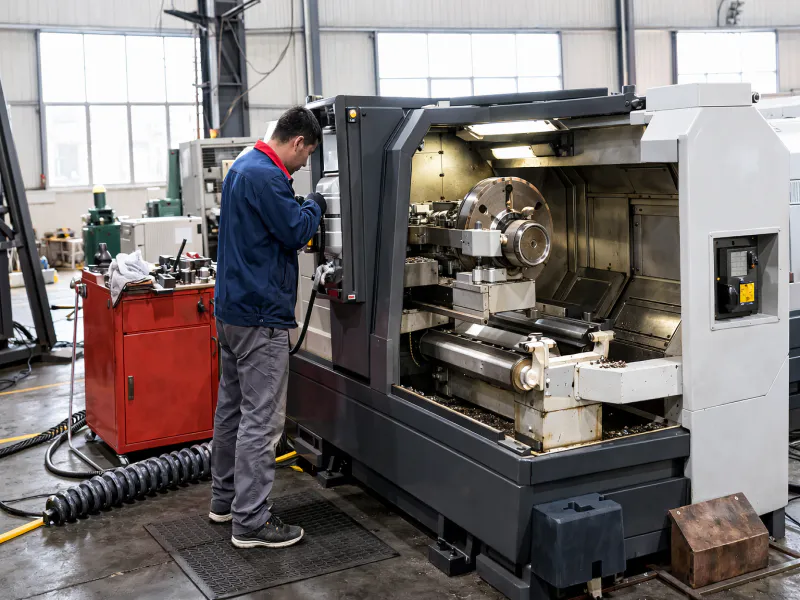
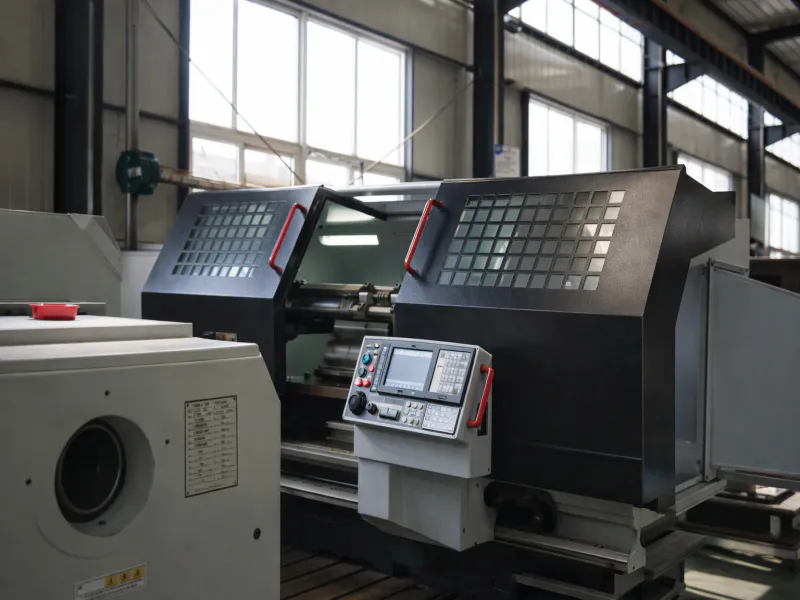
We are a specialized manufacturer of industrial speed reducers, gear motors, and mechanical power transmission components, with a dedicated product line engineered for agricultural and greenhouse automation applications. Our engineering team has decades of hands-on experience designing worm-helical gearboxes, helical-bevel reducers, and integrated gear motor assemblies for demanding continuous-duty environments — including the unique requirements of greenhouse curtain and vent automation systems.
Our production facility operates under an ISO 9001 quality management framework. All gear cutting, heat treatment, and assembly processes are performed in-house, giving us full traceability and quality control from raw material to finished unit. The WJS series gearbox, which forms the backbone of the EP-Greenhouse Curtain Speed Reducer Motor, is manufactured using CNC gear-grinding and precision tooth-form inspection to meet or exceed ISO 6336 load-capacity standards.
As an automated greenhouse curtain gear reducer motor supplier serving commercial growers and equipment integrators in the USA and internationally, we offer OEM customization, private-label programs, and technical support for greenhouse automation projects of all scales. We welcome inquiries for greenhouse curtain gear motor bulk order requirements, sample evaluation, and custom specification development.
WorkShop


8. Related Products
A complete greenhouse curtain automation system requires more than just a gearbox. We manufacture the full range of compatible drive components, giving you a single-source supplier for your entire mechanical power transmission chain — from motor to curtain bar.
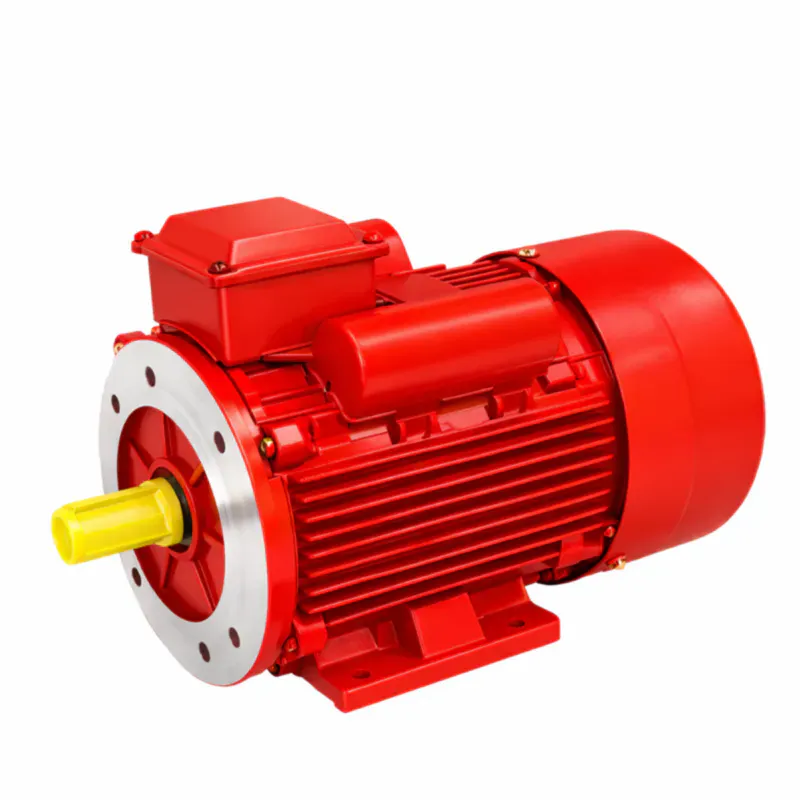
YS-Series AC Motor
Our matched YS-series three-phase AC induction motor is available independently for replacement or upgrade purposes. Frame sizes YS-71, YS-80, and YS-90 are stocked to match all standard EP-Greenhouse Curtain Speed Reducer Motor configurations, ensuring full system compatibility and one-stop supply.
Frequently Asked Questions
Editor: PXY